



Pumpkin pie at camp: read the label before you start the cooler clock
Use the package label, a verified 40°F cold space, and a written 60- or 120-minute service budget to handle pumpkin pie at camp.
Pumpkin pie at camp: read the label before you start the cooler clock
By Romana | October 28, 2026
A pumpkin pie can look shelf-stable even when it is not. At camp, the safe plan starts with the package label, then moves to a cold-holding check and a written deadline.
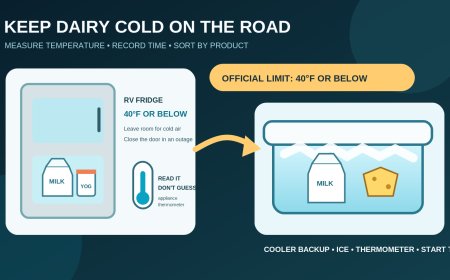
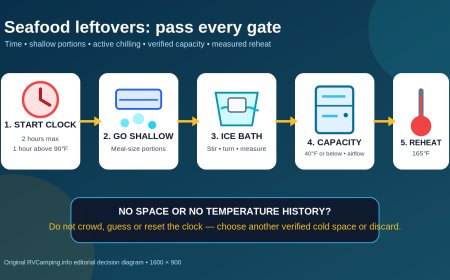
The trouble usually starts before dessert. The pie rides in the tow vehicle, waits through check-in, and lands on a picnic table while dinner runs late. FDA specifically includes pumpkin pie among foods that should be refrigerated within two hours.[1] Its general rule cuts that interval to one hour when the outside temperature is above 90°F. Cold storage should stay at 40°F or below.[2]
Let the package choose the route
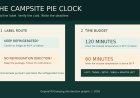
Commercial pumpkin pies do not all share one storage rule. FDA says differences in formulation and processing mean some versions may need refrigeration for safety while others may not.[3] One pie sitting on a grocery shelf tells you nothing about the pie in your hands.
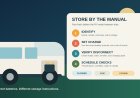
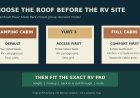
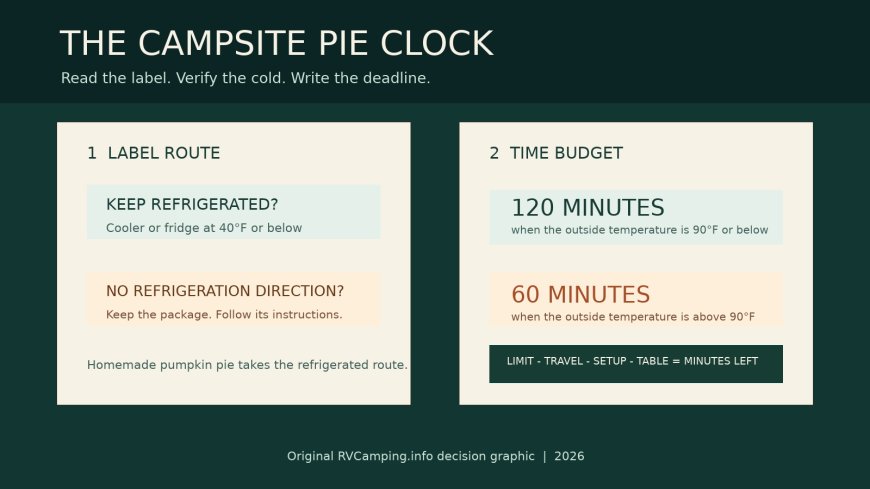
Read the whole package before leaving the store. A "keep refrigerated" pie belongs in a refrigerator or properly iced cooler at 40°F or below.[2][3] Follow any after-opening direction as written. If a pie was sold unrefrigerated with no refrigeration direction, keep the package so the campsite crew has its storage and use-by instructions. Put a homemade pumpkin pie on the refrigerated route.[1]
Spend the out-of-cold budget on serving, not check-in
We built the campsite pie clock as a conservative planning tool. It is not an FDA formula. For one travel and service day, count every minute the pie spends outside verified cold holding against the same budget. That keeps a drive, a stop at the registration office, and dessert service from becoming three conveniently separate clocks.
The arithmetic is:
minutes left = temperature limit - travel - check-in/setup - table time used
Start with 120 minutes when the outside temperature is 90°F or below. Above 90°F, start with 60 minutes.[1][2]
Suppose a refrigerated pie leaves the store cooler at 3:20 p.m. on an 84°F day. The drive takes 35 minutes, check-in takes 20, and the first serving round takes 25. Those steps use 80 minutes, leaving 40. The pie needs to be back at 40°F or below no later than 5:20 p.m.
Run the same plan above 90°F and it fails by 20 minutes. In that case, keep the pie cold through the drive and setup, then bring out a few slices at a time. The package includes a worksheet for recording the clock start, weather rule, planned segments, and cold-return deadline.
A clock cannot fix a missing history. If nobody knows when a pie that requires refrigeration left cold holding, replace it rather than choosing a convenient start time.
Keep the pie cold and move the slices
A two-lane service keeps the main pie out of the picnic-table traffic:
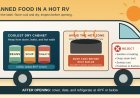
- Hold the covered pie in a refrigerator or iced cooler with an appliance thermometer showing 40°F or below.[2]
- Cut only enough slices for the next serving round.
- Write down when those slices leave the cold space.
- Refill with a clean plate. Do not return handled, table-warmed slices to the main pie.
- Cover the main pie and put it back into verified cold holding between rounds.
Cool autumn air does not change the basic test. The 90°F threshold changes the allowed time; it does not turn a picnic table into refrigeration.
Mark leftovers before they disappear into the RV fridge
FDA advises using refrigerated leftovers within three to four days.[1] Date the container before it gets wedged into the RV refrigerator. That storage window does not extend a missed service deadline, and later chilling does not erase an unknown stretch without temperature control.
Keep the commercial label, verify 40°F or below when refrigeration is required, and put one person in charge of the service card. That is enough structure to prevent dessert's timeline from becoming a campsite guessing game.
Primary source credit: U.S. Food and Drug Administration consumer food-safety guidance and refrigeration-label guidance.
Sources
What's Your Reaction?