





















Raw sprouts at camp: move them from garnish to cooked ingredient
A one-way campsite workflow that keeps sprouts cold, rinses them with potable water, cooks them thoroughly and serves them with clean tools.

Raw sprouts at camp: move them from garnish to cooked ingredient
By Romana
Category: Cooking
A tub of alfalfa sprouts can slip into an RV cooler as if it were just another sandwich topping. It is not a low-risk garnish. Sprouts grow in the same warm, humid conditions that help bacteria multiply, and contamination on or inside a seed can build during sprouting. Rinsing may reduce surface bacteria, but it does not eliminate the hazard.[1]
The short answer: Do not plan raw or lightly cooked sprouts for children, older adults, pregnant campers, or anyone with a weakened immune system. For everyone else, the lower-risk campsite choice is still to cook sprouts thoroughly. Keep the package at 40°F or below, rinse under running potable water, move the sprouts straight into a fully cooked dish, and use clean tools for serving.[1][2][3]

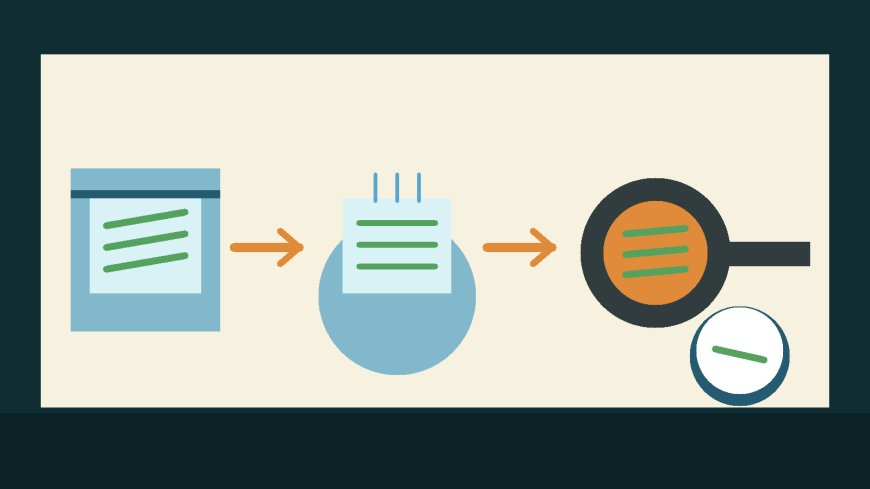
The one-way campsite route for sprouts: cold storage, potable-water rinse, thorough cooking, then a clean serving bowl. Original RVCamping.info illustration.
Why sprouts need their own plan
The problem starts before the package reaches the campsite. FDA says seeds and beans are sprouted in warm, humid conditions that also favor Salmonella, Listeria and E. coli. Even a small amount of contamination can multiply sharply as the seed sprouts, including in a sanitary home setup.[1]
That makes the usual produce routine incomplete. Running water is useful for removing some contamination, but FDA states that washing does not eliminate bacteria. Cooking produce thoroughly kills harmful bacteria and lowers the risk of illness.[1] For sprouts, “washed” is a preparation step, not an endpoint.
CDC gives a firmer rule for people more likely to become seriously ill. Children, older adults, pregnant people and those with weakened immune systems should skip sprouts served raw or with only light cooking, regardless of variety. The agency also advises checking deli sandwiches and salads because sprouts may already be mixed in.[2]
At a campsite, the practical answer is to decide before shopping whether sprouts will be cooked. If the meal is a cold wrap, salad or bagel, choose shredded cabbage, a washed whole vegetable, or another ingredient that fits the eater’s risk needs. Do not buy sprouts and hope a quick pass over the pan will count as thorough cooking.
Build a one-way sprout route
Give the package four stops and no return trip:
- Cold: The unopened package stays in the food cooler or RV refrigerator at 40°F or below.
- Rinse: Sprouts go into a clean colander under running potable water immediately before cooking.
- Cook: The drained sprouts go straight into a dish that will cook them thoroughly.
- Serve: The finished food moves to a clean bowl with a clean utensil.
This route prevents the most common campsite muddle: opening a package for sandwiches, leaving half near the table, then tossing the remainder into dinner. Once the package is opened, keep the unused portion cold and minimize handling. If the package, cooler meltwater or prep surface becomes contaminated, cooking is not a reason to ignore that handling failure.
Pack the sprouts where raw meat juices cannot reach them. FDA’s outdoor guidance calls for raw meat, poultry and seafood to remain securely wrapped and separated from foods eaten raw.[3] A lidded produce box above the raw-protein bin works better than a loose sprout tub wedged wherever space remains.
Keep the cold chain measurable
FDA advises keeping perishable produce in a clean refrigerator at 40°F or below and using a refrigerator thermometer. Packaged produce should be refrigerated.[1] Its outdoor guidance applies the same 40°F ceiling to cold food in a cooler and recommends ice or frozen gel packs.[3]
Put a small appliance thermometer where it can be read without digging through food. Open the food cooler only when needed. A separate drink cooler helps because it keeps repeated beverage runs from warming dinner ingredients.[3]
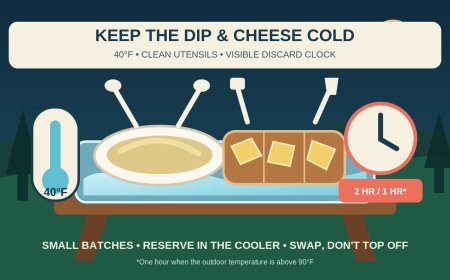
The serving clock still matters after cooking. FDA limits perishable picnic food to two hours in the 40°F–140°F danger zone; that limit drops to one hour above 90°F outdoors.[3] Record the time the cooked dish leaves temperature control. If the limit passes, discard it rather than putting it back into the cooler and resetting the clock.
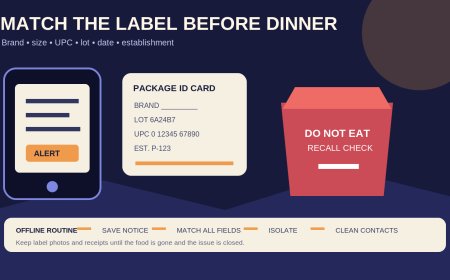
Reject a package that is leaking, swollen, slimy, badly damaged, past a use-by instruction, or subject to a recall. A normal appearance or smell cannot prove that sprouts are safe. Keep the product label until the package is finished so the brand, lot code and date can be checked if a notice appears.
Rinse without turning the campsite into a splash zone
Wash your hands with soap and water before starting. FDA recommends at least 20 seconds and says an outdoor setup can use a water jug, soap and paper towels when a plumbed sink is unavailable.[1][3]
Set a clean colander in a clean basin. Rinse the sprouts under running potable water; do not soak them in a communal bowl. Do not add soap, detergent or produce wash. FDA does not recommend those products for fruits and vegetables, and the agency warns that washing alone does not eliminate bacteria.[1]
Keep rinse water away from the serving bowl, bread, utensils and the cooler drain. Dispose of wastewater according to the campground or land manager’s rules. A rinse basin is dirty-work gear until it has been washed; it is not a place to park a cooked-food utensil.
Home-grown sprouts do not get a campsite exception. FDA says bacteria can multiply during sprouting even under sanitary home conditions.[1] A jar grown on the RV counter also competes with limited potable water, stable refrigeration and clean work space. For this workflow, skip on-trip sprouting and start with a refrigerated commercial package that can be traced by its label.
Make “thoroughly cooked” visible in the meal
Neither FDA nor CDC gives consumers a universal internal-temperature target for sprouts. Do not invent one. Their guidance is to cook sprouts thoroughly.[1][2]
Choose a method in which the sprouts stay over heat long enough to lose the raw, crisp-garnish character throughout. Stir them into a covered skillet meal, soup, curry or noodle dish while the food is still actively cooking. Stir so the center and edges receive heat. A brief scatter over a finished plate, a few seconds on one side of a griddle, or residual heat after the burner is off leaves the meal in the raw-or-lightly-cooked category.
The rest of the dish may have its own verified endpoint. Meat, poultry, seafood and eggs must reach the applicable safe minimum temperature; follow the package, recipe and federal guidance for those ingredients. The sprout rule does not replace the thermometer check for animal foods, and a meat temperature does not prove that a cold pile of sprouts added at the end was cooked.
Use one utensil during cooking and a clean utensil for serving. Place the cooked dish in a clean bowl, not back in the colander or package. Wash the colander, basin, prep surface and cooking tool with hot, soapy water before they return to general use.[1]
Decide for the whole group, not the boldest eater
For a mixed-age or mixed-health camp meal, use the safest common menu: omit sprouts or serve them only as a thoroughly cooked ingredient. Do not make one cold salad and ask higher-risk diners to pick the sprouts out. The food has already shared contact.
When buying prepared food on a travel day, check the ingredient list and look inside sandwiches, salads, spring rolls and noodle bowls before serving. CDC specifically advises higher-risk people to ask that raw or lightly cooked sprouts not be added and to check ready-made sandwiches or salads.[2]
If another camper brings a dish with raw sprouts, label it plainly and keep a separate clean utensil with it. Do not place it over or inside the cooler bin used for the cooked group meal. For a child, pregnant camper, older adult or immunocompromised guest, offer a separate sprout-free dish prepared with clean equipment rather than relying on removal at the table.
The five-step card for the galley door
- CHOOSE: Is every eater a fit for this ingredient? If not, omit sprouts or plan a fully cooked dish.
- CHILL: Is the sealed package holding at 40°F or below and protected from raw-food leaks?
- RINSE: Are clean hands, running potable water and a clean colander ready?
- COOK: Will the recipe cook the sprouts thoroughly instead of adding them at the end?
- RESET: Did the cooked food move to a clean bowl, and did the cold or hot holding clock stay within limits?
Sprouts are easy to manage once they stop being an automatic garnish. Buy them only for a meal that can complete the whole route. If the campsite lacks reliable cold storage, potable running water or a suitable heat source, leave them off the menu.
Evidence note: FDA and CDC provide the sprout-risk, vulnerable-group, washing, cooking, refrigeration and outdoor time-control guidance. The four-stop route and five-step card are original RVCamping.info workflow tools. Product labels, recall notices and local wastewater rules remain controlling for the exact trip.
Sources
What's Your Reaction?