










A food recall in the RV pantry: match the label before dinner
An RV pantry recall routine that preserves lot codes, checks FDA and USDA notices, isolates suspect food, cleans contact surfaces, and records what travelers ate.

A food recall in the RV pantry: match the label before dinner
By Romana Category: Cooking
The hardest recalled product to identify is the one poured into an unmarked campground container. A cereal bag becomes a clear bin. Frozen burgers go into a zipper bag. A deli salad loses its sleeve so it fits in the RV refrigerator. Those space-saving moves can erase the lot code, date, package size and establishment number that separate a recalled item from a safe one.
An RV pantry needs a label-preservation habit, not a permanent fear of every recall notice. The practical job is to match the exact product, isolate it without spreading contamination, follow the notice, and keep enough records to act even when the campground has weak service.

Preserve identity when you repack
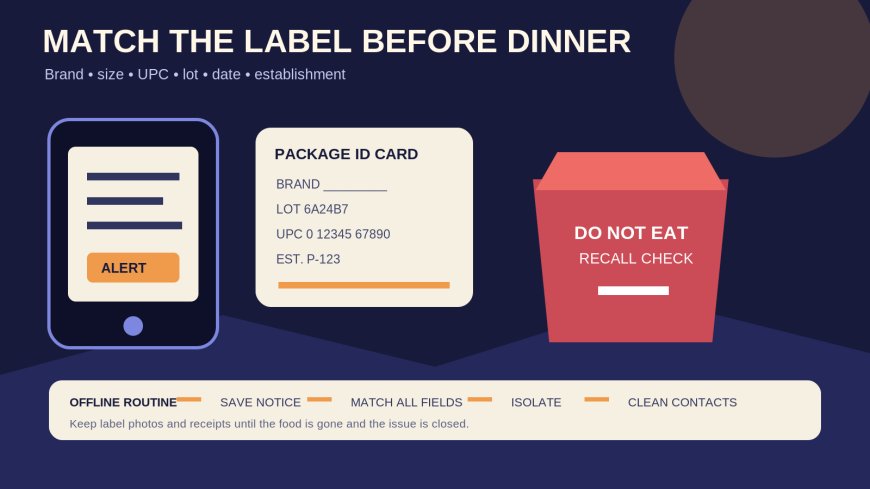
Before transferring food, photograph the front, back and code panel. The image should show the brand, product name, package size, UPC, lot or batch code, date marking and any preparation instructions. For meat and poultry, include the USDA mark of inspection and establishment number. CDC specifically recommends retaining the original label or writing down its information when food is divided into another container.[4]
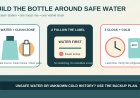
A photo is useful only if you can connect it to the new container. Put the same short name and date on the zipper bag or bin. For a family pack split into four meal portions, include the lot code on each portion or put all four inside one labeled outer bag. Keep the receipt or a screenshot from the store account with the trip records. CDC notes that receipts and shopper records can help investigators, and it tells consumers to keep product and lot information.[4]
Do not use one generic label such as "chicken" for items bought on different days. A recall may cover one package size, one establishment, selected lot codes or a limited distribution area. FDA recall notices may identify the product through its name, package format, UPC, date codes, label images and distribution details.[1] The full match matters.
Download a recall checkpoint before losing service
Run a pantry check at home, another after the last grocery stop, and one when a new alert reaches the group. Use the FDA recalls page for FDA-regulated foods and the USDA Food Safety and Inspection Service recall channel for meat, poultry and egg products under FSIS jurisdiction. FDA keeps recent recall, withdrawal and safety-alert notices online and provides an archive route for older notices.[2] FSIS also publishes recall and public-health-alert data through an official API.[3]
Do not treat a social post or a cropped screenshot as the notice. Use it as a prompt to find the current government or company recall page. A notice can expand to more lot codes, brands or states. Download or screenshot the full official notice before driving into a no-signal area. Include its update date and disposal or return instructions.
Make one person the recall checker for a group trip, but do not make that person the only holder of the information. Save the screenshots in the shared trip folder. If the group splits between an RV, cabin and tent, send the exact label criteria to each food keeper.
Match fields in a fixed order
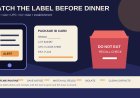
Put the suspect package and the official notice side by side without opening the food. Check:
- brand and exact product name;
- package size and package type;
- UPC or other retail code;
- lot, batch, production or date code;
- USDA establishment number when applicable;
- store, state or distribution limits; and
- any label photograph or special identifying mark.
A matching brand alone is not enough. Neither is a matching flavor or a store name. Record each field as match, mismatch or unreadable. If the notice says all lots, respect that scope. If one required code is smudged or missing, do not invent it from a nearby package.
When the available information cannot settle the match, keep the product sealed and isolated while contacting the retailer, manufacturer or agency contact named in the notice. Do not eat it to see whether it tastes normal. Contamination and undeclared allergens may not change smell or appearance.
Build a quarantine spot outside the food flow
Move a suspect item away from food that will be served, but avoid carrying a leaking package across the galley. Place it in a sealable bag or rigid secondary container. Mark it "DO NOT EAT — RECALL CHECK" and keep it where children, pets and other campers cannot retrieve it. A locked exterior utility compartment may be appropriate only if the item will not leak onto gear and the recall instructions do not require another method.
Follow the notice's return or disposal directions. FDA warns not to pass recalled product to another person, a food bank or a pet.[1] A recalled item does not become safe because the campground neighbor plans to cook it longer. If the retailer requests the package or proof of purchase, keep the needed label image and receipt.
Avoid putting a loose recalled package in a campground dumpster where an animal or person could remove it. Seal it as the notice directs. If disposal service is limited, ask the host where sealed household food waste belongs; do not burn the product or packaging in a fire ring.
Decide whether the RV refrigerator needs cleaning
A sealed dry box that never leaked may only need removal. A leaking refrigerated product, opened ready-to-eat food, or recalled item that touched a shelf, drawer or another package calls for the cleanup stated in the notice. CDC advises discarding the recalled item and foods stored with it or touching it, then cleaning the refrigerator.[5]
Stage a temporary cold zone before emptying the RV refrigerator. Use a clean cooler with enough cold source and a thermometer. CDC's refrigerator-cleaning procedure says not to leave food unrefrigerated for more than two hours.[5] In hot campsite conditions, work in small sections instead of putting the whole refrigerator on the picnic table.
Bag the recalled product first. Remove drawers and shelves if the appliance manual permits. CDC's general sequence uses hot, soapy water for removable parts, a clean-water rinse for the interior, drying, and an optional sanitizing step with the specified bleach dilution.[5] Follow the recall notice and the RV refrigerator manufacturer's cleaning limits. Cold glass can crack under sudden hot water, and some finishes or seals may be damaged by an unsuitable chemical.
Clean the cooler, counter, door handle and any reusable container that touched the item. Wash hands when finished. Keep raw-food cleanup tools separate from infant-feeding, potable-water and ready-to-eat equipment.
Keep an offline recall card in the galley
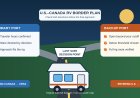
A one-page card can carry the process when the phone has no signal:
- isolate the unopened product;
- find its brand, size, UPC, dates, lot code and establishment number;
- compare every field with the saved official notice;
- follow the notice's return or disposal direction;
- clean contact surfaces if the item leaked, opened or touched other food; and
- save label photos, receipts and the notice until the issue is resolved.
Add the FDA recalls URL, the FSIS recall page or API reference, the local health department number and Poison Help to the trip contact sheet. This card should not contain one recall's product details because those details change. It should tell the traveler where the authoritative details live.
If someone may have eaten the product
Read the official notice for the named hazard and symptom guidance. Call a healthcare provider promptly when the notice says to do so or when symptoms are serious. Tell the provider the product, code, amount, time eaten and symptoms. Do not rely on the assumption that the last meal caused the illness; CDC says foodborne symptoms often begin days after the contaminated food was eaten.[4]
Write down everything eaten during the previous week, places visited and relevant animal contact. Keep the package, label image and receipt unless a health department or recall instruction says otherwise. CDC asks people who suspect food poisoning to contact a healthcare provider and report illness to the local or state health department.[4]
Do not open a suspect package merely to save a sample. If investigators want leftover food, follow their handling directions. Keep the quarantine label visible so another traveler does not cook it while the ill person is away from camp.
The five-minute departure audit
Before leaving a grocery town, check new purchases against current notices while service is strong. Photograph code panels before discarding bulky boxes. Mark repacked portions. Download any relevant notice. Confirm that the cold items returned to a verified refrigerator or monitored cooler.
At the end of the trip, keep the label photos until the food is gone and no recall issue remains. Delete them as a batch later, not at the picnic table. That small delay preserves the one fact a recall notice needs most: exactly which package entered the RV.
Evidence note: FDA explains recall identification and recent-notice access; USDA FSIS provides the official meat-and-poultry recall data channel; CDC supplies label retention, illness-reporting and refrigerator-cleaning guidance. RVCamping.info developed the field-matching, quarantine, offline-card and departure-audit workflow.
Sources
- Food Recalls: What You Need to Know — U.S. Food and Drug Administration — product identifiers and safe disposition.
- Recalls, Market Withdrawals, & Safety Alerts — U.S. Food and Drug Administration — current and archived FDA notices.
- Recall API — USDA Food Safety and Inspection Service — official FSIS recall and public-health-alert data access.
- What to Do if You Think You Have Food Poisoning — Centers for Disease Control and Prevention — labels, receipts, illness history and reporting.
- How to Clean Your Refrigerator Because of a Food Recall — Centers for Disease Control and Prevention — removal, contact-food disposal and refrigerator cleanup.
What's Your Reaction?