





Portable Propane Fire Pits for Mixed RV and Glamping Groups: A Rules-First Setup Plan
Check property rules, fire orders, tent and appliance manuals, and cylinder handling before using a portable propane fire pit with a mixed RV and glamping group.

Portable propane fire pits for mixed RV and glamping groups: a rules-first setup plan
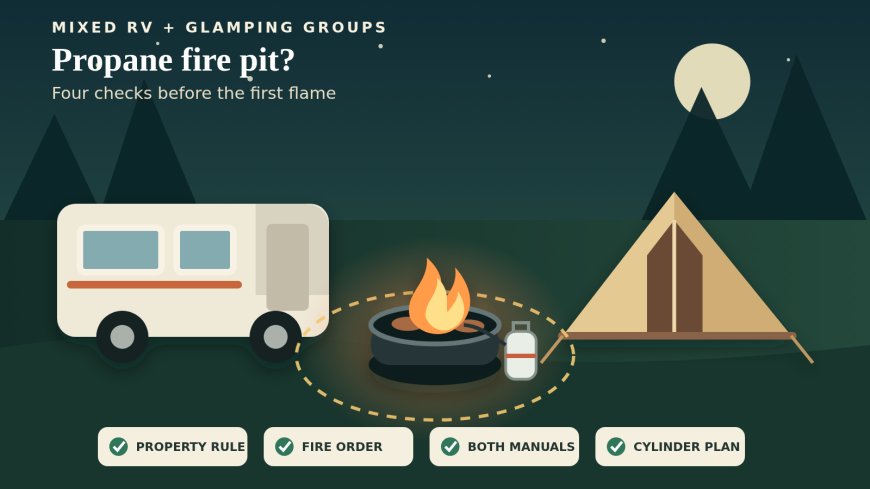
A propane flame can be easier to shut off than a wood fire, but that does not make it universally permitted or safe beside a glamping tent. Before a mixed RV-and-tent group packs one, confirm the property rule, the current fire order, both equipment manuals and a site layout that satisfies all of them at once.
A portable propane fire pit often lands on the packing list as the compromise: campfire atmosphere without smoke, sparks or a load of firewood. The trouble is the word "propane." It describes the fuel, not permission. A land manager may allow certain liquid-gas devices during restrictions while a private property bans guest equipment. A tent manual may prohibit any flame "near" the tent while the fire-pit manual gives its own model-specific clearances.
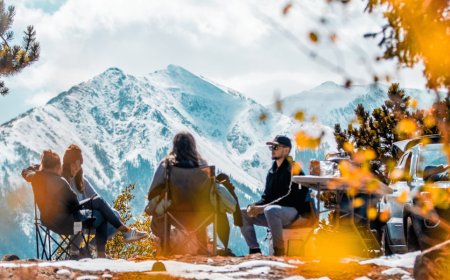
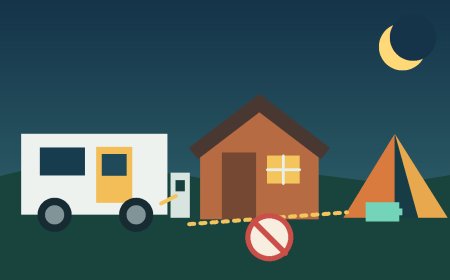
For a mixed group, there is another wrinkle. The RV pad may have enough hard surface for the appliance, but the social plan puts everyone beside the glamping unit. Do not let the group move the pit after check-in simply because the RV site feels too far away.
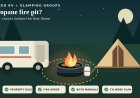
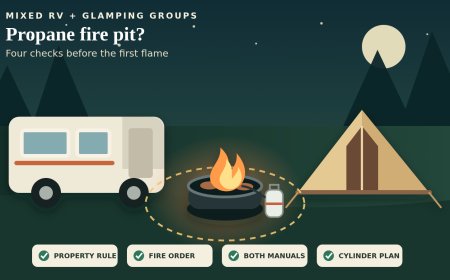
The four yeses you need before packing it
Treat the fire pit as approved only when all four lines below are resolved for the exact dates, property, accommodation and appliance.
| Gate | What a usable "yes" looks like | What does not count |
|---|---|---|
| Property | Written approval for a guest-supplied portable propane fire pit at the exact RV site or glamping unit | "Propane is usually fine" on the phone |
| Fire authority | The current order explicitly covers this type of device, at this location, on these dates | A social post about wood campfires or last year's rules |
| Fire-pit manual | You have the manual for the model number on the rating plate and can meet every setup condition | A retailer listing or a manual for a similar-looking pit |
| Tent/accommodation | The owner or manufacturer identifies an allowed location that does not conflict with the tent warning | Estimating a distance from photos |
One "no" ends the plan. An unanswered question is also a no for packing purposes. Bring lanterns or use a property-operated communal fire instead.
Verify the property rule by accommodation, not by campground
Start with the booking confirmation and the property's current rules page. Search for "fire," "open flame," "propane," "fuel," "deck," "tent," "burn ban" and "guest equipment." Then ask the property to confirm the rule in writing.
Use a message that forces a site-specific answer:
We have [RV site number/type] and [glamping unit name/type] for [dates]. May we bring and operate a portable propane decorative fire pit, model [manufacturer and model], anywhere assigned to our group? If yes, please identify the approved surface or provided fire area and confirm whether the cylinder may be placed there. Does the answer change during a county, state or federal fire restriction? We will follow the appliance and accommodation manuals, but need the property's rule and approved location in writing.
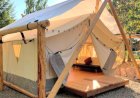
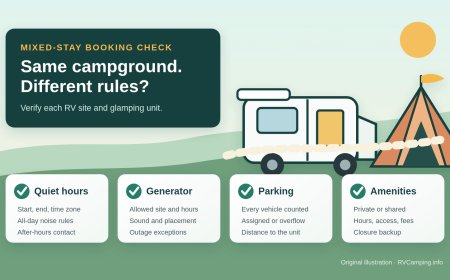
Do not compress "on the property" into "beside the tent." Cedar Point's safari-tent rules, for example, prohibit guests from cooking or using open flames or flammable devices within or near the tents and decks except in designated equipment. The same rules prohibit propane within the safari tents or on their decks.[1] That is a property-specific boundary, not a distance for other campgrounds.
If the RV and glamping reservations have different operators, send the question to both. A concessioner, landowner, glamping host and public-land agency can each control a different layer. Save the replies with the reservation and ask who has final authority if they conflict.
At check-in, show staff the written answer and ask whether conditions changed. A yes from months earlier does not override a restriction posted that afternoon.
Read the fire-pit manual by model number
Photograph the appliance rating plate before the trip. Download the manual from the manufacturer and save it offline. Match the full model or series, fuel, regulator and cylinder size; appearance is not enough.
The Outland Firebowl Mega Series 850 manual illustrates why a generic internet clearance is unsafe. For that named model, the manual specifies a noncombustible surface, 80 inches above and 36 inches at the sides, and separately keeps the LP cylinder at least 36 inches from the appliance.[2] Those figures belong to that appliance and manual revision. They are not a universal propane-fire-pit rule, and they do not cancel a tent manual's broader wording or a property's larger buffer.
Pull these items from your own manual into a one-page setup card:
- required bottom surface and overhead and side clearances;
- outdoor-only and enclosure restrictions;
- approved cylinder size, regulator, hose and stabilizer;
- pre-use hose, burner and connection checks;
- leak-test method and when the manufacturer requires it;
- lighting, shutdown and relighting sequence;
- wind, rain and weather limitations;
- cooling time before moving, covering or storing; and
- actions for gas odor, damaged parts or a flame that will not stay lit.
For the Series 850 example, the manufacturer says to inspect the hose before each use, keep it away from paths where it could be tripped over, leak-test after gas-system parts are separated or replaced, and not operate until a leak is corrected.[2] Follow the instructions for your unit instead of copying that sequence from this article.
Do not modify a hose, regulator or RV propane connection to make the group layout work. If the supplied system cannot reach a compliant spot without crossing a walkway, the spot is not usable.
The tent manual can be more restrictive than a measured diagram
Get the manual for the exact guest tent if the group owns it. For a furnished glamping unit, ask the property for the fire and heat instructions that govern the fabric, deck and provided equipment. The property may not release a supplier manual, but it still needs to tell guests where outside appliances may be used.
Some tent instructions do not provide a number that guests can measure. Kodiak Canvas's Flex-Bow manual treats the fabric as flammable and prohibits a stove, campfire or other flame source "in or near" the tent.[3] A fire-pit manual's side clearance does not define the word "near" in a different manufacturer's tent manual.
That means the group should not invent a blended number. Ask the tent manufacturer or property to identify an acceptable location. If nobody with authority will interpret the instruction for the actual layout, skip the pit.
Map more than the canvas wall. Include the awning, guy lines, deck, outdoor curtains, rugs, furniture, dry vegetation, nearby RV awning, slide-outs, doors, windows and the route people use after dark. A technically clear burner with a hose across the path is not a sound setup. Neither is a cylinder where a vehicle, chair or child can knock it over.
Never operate the pit inside a tent, screen room, RV, vehicle, enclosed porch or other space the appliance manual does not approve. "The sides are open" is not a substitute for the manufacturer's definition of outdoor, well-ventilated use.
Read the current fire order, not a color or stage label
Fire restrictions are written orders with dates, maps, definitions, prohibitions and exemptions. "Stage 1" does not promise identical rules across agencies. Search the official land-manager, county and fire-authority pages for the exact property, then read the linked order.
Joshua Tree National Park's June 15, 2026 restriction, for example, prohibited wood and charcoal fires but allowed certain liquid-gas equipment, including stoves, lanterns and heaters, in areas free of flammable material within three feet. It also told visitors to check current park conditions and alerts before travel.[4] The wording does not explicitly say that every decorative propane fire pit is permitted. A visitor carrying one should ask the park whether that model fits the permitted category rather than stretching "heating device" into permission.[4]
For a private RV/glamping property, verify both layers:
- Is any government restriction in force for the address?
- Does that order permit this device class and require a permit, shutoff valve, cleared area or designated site?
- Has the property adopted a stricter rule?
- Who can confirm the answer on arrival if conditions change?
Save the official page or order with its effective date. Recheck it before the cancellation deadline, the day before departure and at check-in. If an emergency order, red-flag condition or staff instruction says no flame, put the appliance away even if an older email says yes.
Keep the cylinder out of the living space
Plan cylinder transport before loading the RV. Public-safety guidance from British Columbia tells RV and camping users to carry cylinders upright, securely fastened, outside the RV or camper, with valves pointed away from the vehicle, and never to store them in the RV living area.[5] It also advises closing valves when cylinders are not in use and storing cylinders in a protected, ventilated outdoor place.[5]
That guidance is a useful safety baseline, not a substitute for the transport law where you are driving or the RV and cylinder instructions. Check the rules for every jurisdiction on the route, especially ferries, tunnels and commercial crossings. Do not assume an "empty" cylinder is harmless.
Before departure and again before setup:
- inspect the cylinder, valve, collar, hose and regulator for damage;
- verify that the cylinder is within any required qualification period;
- close the valve and install any required plug or cap;
- secure the cylinder upright against shifting or impact;
- keep it out of passenger and sleeping space;
- unload it promptly rather than leaving it in a parked vehicle; and
- reject a cylinder that smells of gas, hisses, is damaged or cannot be secured.
At camp, use the stabilizer or restraint required by the appliance manual. Keep the valve accessible for shutdown. Do not store a spare beside the operating pit or under an RV, tent or deck. The Series 850 manual requires outdoor, ventilated cylinder storage and rules out keeping disconnected cylinders in garages, buildings and other enclosed places.[2]
If you smell gas, do not light the appliance or operate switches nearby. Move people away, avoid ignition sources and follow the manufacturer's emergency steps. The BC safety brochure directs people who suspect a propane leak to go outside, report it from outside and stay out until an official says it is safe.[5]
Assign roles before anyone lights it
A group fire pit needs one sober operator, not a circle of helpers. That person has the manual and property contact, performs the inspection and leak test, lights and shuts down the unit, and stays with it until the manufacturer's cooling requirements are met.
Give another adult responsibility for the site edge: children, pets, chairs, blankets and foot traffic. Keep the cylinder valve and route away from the appliance unobstructed. Nobody should step over the hose, move the pit while lit or hot, add wood, cook on a decorative appliance unless its manual permits cooking, or use a lid or cover to extinguish the flame.
Agree on the shutdown time before lighting. Quiet hours may arrive before the group is ready to leave, and the operator still needs time to close valves, verify that the flame is out and let the equipment cool. Do not leave a hot appliance outside a tent while everyone goes to bed.
When not to use the fire pit
Leave it off when any of these applies:
- the property has not approved a guest-supplied unit at the exact accommodation;
- the current restriction does not clearly permit that device class;
- the tent or fire-pit manual is missing, mismatched or cannot be satisfied;
- the only proposed location is on a deck, under an awning, near tent fabric or in a traffic route without explicit approval;
- the required surface or clearance area is unavailable;
- the cylinder, hose, regulator, burner or connection is damaged or leaking;
- weather or site conditions conflict with the manual or staff direction;
- no sober adult can attend it through shutdown and cooling;
- children, pets or mobility needs make the available layout hard to control; or
- anyone suggests that propane is automatically exempt from a burn ban.
A dark fire pit is not a failed camping night. Battery lanterns around a common table, a property-run communal fire, warm drinks or an indoor gathering space can give the RV and glamping households the same social hour without forcing a questionable setup.
Save a compact approval packet
Keep one folder on two phones and, if service is uncertain, on paper:
- property approval naming the site or unit;
- current government fire order and map;
- fire-pit manual matched to the rating plate;
- tent or accommodation fire instructions;
- a marked layout showing the approved location;
- cylinder transport and storage plan;
- after-hours property and emergency contacts; and
- a no-flame backup plan.
The useful question is not "Are propane fire pits allowed?" It is "May this model be used in this marked location, on these dates, under all four sets of rules?" If the answer is not a clean yes, leave the cylinder closed.
Sources
- Cedar Point Safari Tent Glamping Rules & Agreement — Primary property rules; accessed September 18, 2026.
- Outland Firebowl Mega Model 850 Owner & Safety Manual — Manufacturer manual, revision D.850.000.V0; accessed September 18, 2026.
- Kodiak Canvas Flex-Bow Tent Owner’s Manual — Manufacturer tent manual, version v615; accessed September 18, 2026.
- Joshua Tree National Park 2026 Fire Restrictions — Primary federal land-manager notice dated June 15, 2026; accessed September 18, 2026.
- British Columbia Propane Safety Brochure — Government public-safety guidance for RVing, transport, storage and leaks; accessed September 18, 2026.
What's Your Reaction?