






Ozark winter RV camping after October 15: is electric worth $10 more?
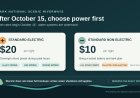
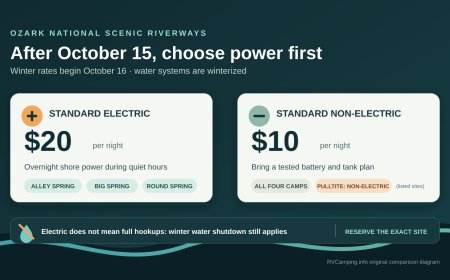
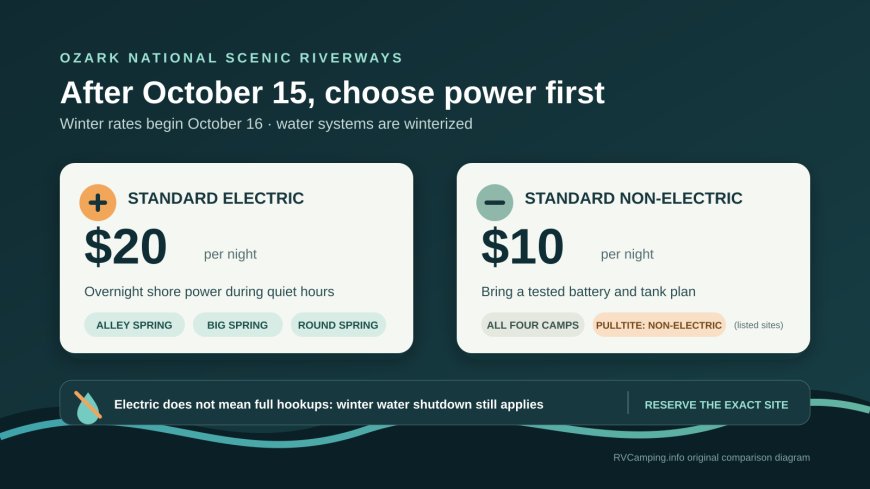
After October 15, Ozark developed sites cost $20 electric or $10 non-electric, while water systems are winterized and generator quiet hours stay decisive.

Ozark winter RV camping after October 15: is electric worth $10 more?
By Romana | October 22, 2026
October 16 changes both the price and the service assumptions at Ozark National Scenic Riverways. A standard non-electric site drops from $20 to $10 per night, while a standard electric site drops from $30 to $20. The electric premium stays at $10. Reservations do not disappear with the summer season: NPS says developed campsites remain reservation-only and may be booked up to six months ahead.[1]
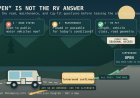
Water is the catch. NPS says the campgrounds remain open in the off-season, but some bathrooms, showers and water pumps are shut down for winterization.[2] The current Recreation.gov notices put the water-system shutdown at October 15 through April 14 for Alley Spring, Big Spring and Round Spring.[4][5][6] Pulltite carries the same shutdown dates.[7]
For an RV, the choice is therefore not "$20 with hookups" versus "$10 without hookups." It is $20 for an electric site with winterized water service, or $10 for a non-electric site with the same water constraint. Alley Spring, Big Spring and Round Spring have electric inventory.[4][5][6] Pulltite's listed campsites are non-electric.[7]
The $10 decision
Pay the electric premium when the RV needs dependable overnight power. Park quiet hours run from 10 p.m. to 6 a.m., and generators are prohibited during that period. NPS explicitly tells campers who need electricity at night to reserve an electric site.[3]
That rule matters more in cold weather than it does on a mild summer evening. A generator can help recharge batteries outside quiet hours, but it cannot legally substitute for shore power through the night. Battery capacity, furnace electrical draw, medical equipment and the forecast should decide the site type before scenery does.
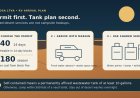
Choose non-electric when the RV has a tested overnight battery plan and the occupants can live with reduced services. The savings are $10 for one night, $30 for three nights and $70 for seven nights. Those figures compare standard sites only; they do not include reservation charges, pass discounts or different site classes.[1]
Four developed campground choices
| Campground | Winter RV power choice | Water, sewer and dump reality after Oct. 15 | Best fit for this decision |
|---|---|---|---|
| Alley Spring | Electric sites are listed in Loop 600; Recreation.gov describes 50-amp service | Water systems are shut down; no sewer hookups; dump station at the entrance; the winter notice names Alley among the heated shower-house/flush-restroom exceptions | Best chance to compare electric and non-electric within one large campground |
| Big Spring | 50-amp electric sites are in Loop 200 only | No direct campsite water hookup even in season; winter water shutdown; no sewer; dump station at the entrance; named heated-restroom exception | Strong electric option when a water hookup was never part of the plan |
| Round Spring | Six listed electric sites, E1 through E6 | Winter water shutdown; no sewer; dump station at the entrance; named heated-restroom exception | Works when electricity matters and one of the small electric set is available |
| Pulltite | Recreation.gov's listed sites are non-electric | Winter water shutdown; the page gives conflicting restroom language, so do not build the trip around a shower | The deliberate dry-camping choice when a $10 standard site and battery plan are enough |
The Alley Spring, Big Spring and Round Spring pages support their power and service details in the table.[4][5][6] Pulltite's page supports its non-electric inventory and service conflict.[7]
Alley Spring has the broadest electric comparison
Recreation.gov lists Alley Spring electric sites in Loop 600 and describes 50-amp electric hookups. It also says there are no sewer hookups and places the dump station at the campground entrance.[4]
The same page says water hookups are available, then separately states that water systems shut off from October 15 through April 14. Read those statements by season. An electric reservation in the winter period is not a promise of water at the pedestal.[4]
Alley is the easiest place to make an apples-to-apples price decision because its listing includes many standard electric and standard non-electric sites. The reservation result for the exact dates still controls. A site appearing in the campground inventory is not proof that it is released or available for a particular winter night.
Big Spring separates electricity from water cleanly
Big Spring's page places 50-amp electric service in the 200 Loop. It says there is no direct water hookup at the campsites, no sewer hookup, and a dump station at the entrance.[5]
That makes Big Spring's winter proposition relatively easy to understand. The $20 electric rate buys electrical service, not a full-hookup site. The campground's water systems are winterized after October 15, and the Recreation.gov notice says most campground faucets and bathrooms close, with heated shower-house/flush-restroom exceptions at Big Spring, Alley Spring and Round Spring.[5]
An RVer who arrives with a filled freshwater tank and a plan for wastewater can value Big Spring for electricity without mentally adding services the listing does not provide.
Round Spring has only six electric targets
Round Spring's listed electric inventory is E1 through E6. Recreation.gov describes 50-amp electric and water hookups, no sewer hookups, and a dump station at the entrance.[6]
Again, the winter notice narrows that amenity list. Water systems shut off from October 15 through April 14. The heated shower house and flush restroom are named as exceptions, but that does not restore campsite water hookups.[6]
With only six electric listings, Round Spring is the option most likely to force the power decision early. If those sites do not appear for the selected dates, reserving a non-electric site is a different camping plan, not an equivalent booking with a generator added later. Quiet hours still remove generator use overnight.[3][6]
Pulltite is the non-electric choice, with a service-page conflict
Pulltite's Recreation.gov inventory lists standard sites as non-electric. Its facility description says the main shower house/restroom at the campground entrance is open year-round. Farther down the same page, however, the winterization notice says the heated shower-house/flush-restroom exceptions are Round Spring, Big Spring and Alley Spring, not Pulltite.[7]
That conflict is too material to smooth over. Treat Pulltite as a $10 non-electric stay with winterized water systems. Call the park before relying on the shower house or a particular restroom arrangement, especially if the backup facility's distance affects accessibility or cold-weather comfort.[2][7]
Pulltite can still be the right answer. It simply requires an RV that can handle the night without shore power and a crew that is not depending on an uncertain bathhouse.
What changed after October 15
The line on the calendar is precise:
- October 15 is the final day of the NPS summer fee period.
- October 16 begins the winter fee period, which runs through April 14.
- Standard non-electric sites cost $10 instead of $20.
- Standard electric sites cost $20 instead of $30.
- Developed campsites still require reservations; winter does not revert them to first-come camping.[1]
- Campgrounds remain open, but water-related services contract for winterization.[2]
A search result or old trip report may still describe first-come winter camping or different fees. Use the dated NPS developed-campground page for the price and reservation rule, then use the exact Recreation.gov campground page for the site type and current service notice. NPS last updated its camping-regulations page on October 15, 2026; that page continues to say electric sites require advance reservations and generators must stop during quiet hours.[3]
A booking sequence that avoids the common mistake
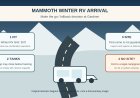
Start with the overnight electrical load. If the RV cannot cover 10 p.m. to 6 a.m. without generator help, filter for electric before choosing a campground. Alley Spring Loop 600 and Big Spring Loop 200 provide more listed electric sites than Round Spring's E1-E6.[4][5][6] Pulltite should be treated as non-electric.[7]
Next, open the exact site record. Confirm permitted equipment, driveway length, site type and the selected dates. Do not infer winter availability from the campground's full inventory list.
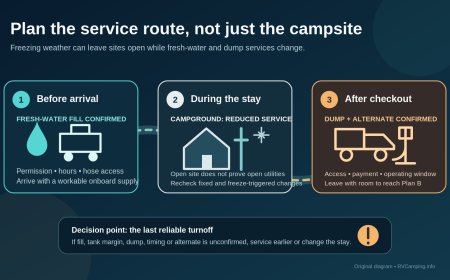
Then plan water as though the campground system is off. Arrive with an appropriate freshwater supply, enough tank capacity for the stay, and a verified dump plan. A heated restroom exception does not mean the dump station has rinse water or that a campsite hydrant works.[4][5][6]
Finally, save the reservation and current notices offline. NPS directs winter campers to Recreation.gov for campground-specific information and gives the Big Spring Entrance Station, (573) 323-4236, as the phone fallback.[2]
The practical choice
For most cold-weather RVs that need furnace power overnight, the $20 electric site is the more defensible reservation. The $10 premium buys power during the eight hours when generator use is prohibited.[1][3]
Among the electric choices, Alley Spring offers the largest same-campground comparison, Big Spring makes the no-water/full-electric distinction clearest, and Round Spring has only six electric sites in its listing.[4][5][6]
Choose Pulltite or a non-electric site only after the battery plan has been tested against the expected overnight load. The lower fee is real. So is the loss of overnight generator backup.
Editorial note: This is a research-based comparison using official NPS and Recreation.gov pages retrieved October 22, 2026. No firsthand stay, site measurement or facility inspection is claimed. Campground availability and operating details can change; the exact reservation record and current park alerts control.
Sources
- Developed Campgrounds — NPS seasonal fees, dates and reservation rules; last updated March 19, 2025. Retrieved October 22, 2026.
- Fall/Winter Visitor Information — NPS off-season campground and service overview; last updated December 2, 2025. Retrieved October 22, 2026.
- Camping Regulations — NPS electric-site reservations, quiet hours and generator rules; last updated October 15, 2026. Retrieved October 22, 2026.
- Alley Spring — official federal reservation record for electric inventory and winterized services. Retrieved October 22, 2026.
- Big Spring — official federal reservation record for Loop 200 electric service, water and dump details. Retrieved October 22, 2026.
- Round Spring — official federal reservation record for E1-E6, hookups and winterized services. Retrieved October 22, 2026.
- Pulltite — official federal reservation record for non-electric inventory and conflicting restroom language. Retrieved October 22, 2026.
What's Your Reaction?