













Flour is raw: a contained dough workflow for the RV campsite
A contained raw-flour zone, no-taste rule and clean handoff for pancakes, dough and mixes in a compact RV campsite kitchen.

Flour is raw: a contained dough workflow for the RV campsite
Category: Cooking
A bag of flour looks more like pantry cargo than raw food. In a compact RV kitchen, that assumption can spread powder over the table, drawer pulls, phone and fruit bowl before a pancake, biscuit or flatbread reaches the heat. Federal guidance is direct: most flour is raw, processing and bleaching do not reliably kill harmful germs, and uncooked dough or batter should not be tasted.[1][2]
The short answer: Keep flour and uncooked dough in a defined raw-food zone. Measure low and slowly, keep ready-to-eat food out of the powder path, and do not taste a mix that is meant to be cooked. Follow the package or recipe’s complete cooking directions rather than inventing a campsite shortcut. When the raw work ends, wash hands with soap and water and wash the bowl, tools and surface with hot, soapy water before the space becomes a serving area.[1][2][3]

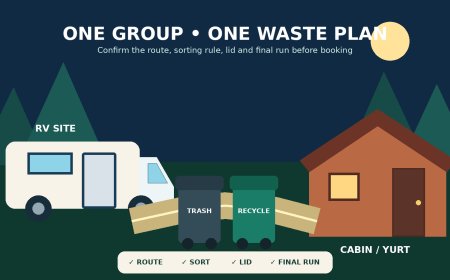
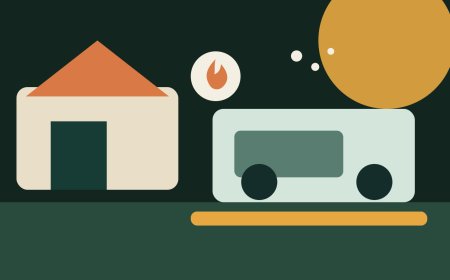
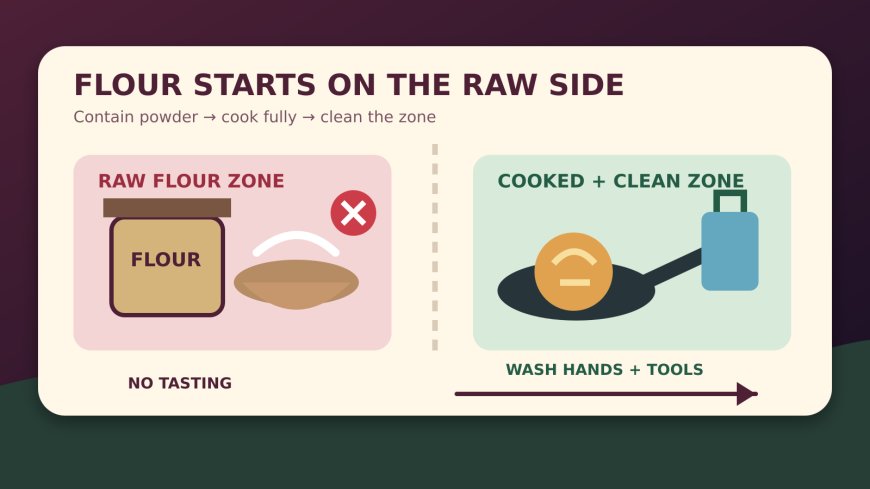
Treat flour as a raw ingredient: contain the powder, cook the food as directed, then wash hands and equipment. Original RVCamping.info illustration.
Give flour the same planning status as eggs
CDC explains that most flour has not been treated to kill germs such as pathogenic E. coli and Salmonella. Grinding grain and bleaching flour do not accomplish that kill step; baking or cooking does.[1] FDA likewise tells consumers that processing raw grain into flour does not kill harmful bacteria and that foods made with raw flour and raw eggs become safe through cooking.[2]
That changes the campsite setup. Do not stage sliced fruit, bread, cooked bacon or clean plates beside an open flour bag. Do not let a child stir batter while holding a snack. Treat the flour bin, scoop, mixing bowl and uncooked dough as raw-contact items until cooking and cleanup are complete.
The advice applies beyond cookies. Pancake and waffle batter, biscuit mix, pizza or flatbread dough, breading flour, cake mix, tortilla dough and flour used for crafts can all create a raw-flour exposure if they are tasted or spread onto hands and ready-to-eat food.[1][2]
Build a contained raw-flour zone
A roomy home counter lets powder drift unnoticed. An RV dinette or picnic table sits beside seats, bags and the rest of lunch. Use a washable tray, rimmed sheet pan or smooth mat to define the flour zone.
Before opening the package:
- Move ready-to-eat food, clean plates, phones and keys at least an arm’s reach away.
- Put the mixing bowl in the tray before measuring.
- Set out only the spoon, scoop and pan needed for this batch.
- Close windows or roof vents that blow directly across the work surface.
- Place the flour package upright where it cannot tip when someone bumps the table.
- Set soap, running potable water and drying supplies for the cleanup transition.[3]
Scoop near the bottom of the bowl rather than shaking flour down from shoulder height. Fold wet and dry ingredients together slowly until loose powder is incorporated. This does not make raw flour safe; it limits where the raw ingredient travels.
If a visible puff reaches another surface, expand the raw zone to include that surface. Do not brush flour toward the floor, where shoes and pets can move it through the RV. Wipe it up during the raw-stage cleanup.
Decide the cook method before mixing
A campsite heat source can be uneven, wind-affected or smaller than the appliance assumed by a recipe. The safe answer is not to declare a new universal center temperature for every flour product. CDC and FDA tell consumers to follow the package or recipe directions for the specified cooking temperature and time.[1][2]
Read those directions before adding water or eggs. Confirm that the RV oven, covered skillet, griddle or other appliance can reproduce the instructed method. If a refrigerated tube of dough requires an oven and the site has only a shallow frying pan, choose another product rather than improvising a browned exterior with an uncooked center.
For pancakes and similar foods, use the full directions and make a small first piece to test burner level, pan position and timing. A dark surface is not permission to shorten the required cook. Wind shields, pan lids and flame adjustments can change heat distribution, so keep the method within the appliance maker’s instructions and fire rules.
FDA specifically advises against trying to heat-treat flour at home because home methods may not kill all bacteria and do not turn ordinary flour into a raw-ready ingredient.[2] Toasting a scoop in an RV skillet, microwaving a bag for an estimated interval or leaving flour in a hot vehicle is not a validated substitute.
End “just a taste” before it begins
Raw batter creates ambiguous moments: checking sweetness, licking a spoon, letting a child shape scraps or scraping the last mix from a cup. CDC and FDA tell cooks to avoid sampling uncooked flour, batter or dough.[1][2]
Make the rule visible before cooking: nothing from the bowl until the labeled cook is complete. Use a clean cooked-food utensil for the first taste after the food comes off the heat. The mixing spoon remains on the raw tray and does not become the serving spoon.
If the group wants edible cookie dough or a no-cook activity, buy a product specifically labeled for that use and follow its label. Do not infer safety from a marketing phrase, an egg-free recipe or a vegan label; raw flour is its own issue. FDA says not to use raw-flour products such as cake mix in ready-to-eat foods and not to rely on home heat treatment.[2]
Run a raw-to-cooked handoff
Use three states rather than one crowded counter:
- Raw: flour package, scoop, bowl, stirring tool, uncooked dough and any surface reached by powder.
- At heat: only the food and heat-safe tool needed to perform the directed cook.
- Ready to eat: a clean plate, clean serving tool and toppings that never entered the raw zone.
The cook moves food forward; equipment does not move backward. Do not set the clean cooked-food plate inside the flour tray. Do not use the batter spoon to spread jam. Do not return a cooked pancake to the bowl lid because it “looks clean.”
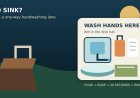
CDC’s broader prevention guidance places flour among ingredients after which hands should be washed and uses Clean, Separate, Cook and Chill as the four core controls.[4] FDA’s outdoor guidance adds the campsite basics: scrub soaped hands under running water for 20 seconds, use a jug when running water is absent, and wash boards, dishes, utensils and counters with hot, soapy water.[3]
Clean powder without launching it
Start dry enough to collect loose flour without making an airborne cloud. Fold or roll the work mat inward, or use a damp disposable towel to gather powder toward the center. Do not snap a floury cloth, blast the area with a fan or sweep toward exposed food.
Then wash hands with soap and running water. Wash the bowl, scoop, spoon, tray and contacted surfaces with hot, soapy water, rinse as appropriate and let them dry. CDC and FDA both call for hand and equipment cleanup after contact with flour, dough, batter or eggs.[1][2]
A quick wipe of the visible mound is not the whole job. Check the flour package exterior, cabinet handle, refrigerator latch and faucet control. If they were touched between measuring and washing, they belong to the cleanup list.
Keep dishwater and runoff away from food, potable-water gear and the clean serving zone. Dispose of wastewater under the campground or land manager’s rule; “biodegradable” soap does not decide where dumping is permitted.
Store flour and refrigerated dough by the label
Close flour in a rigid, dry, food-safe container for travel so vibration cannot work powder through a folded paper seam. Keep the original label or record the brand, product name, lot code and date information with the container. That makes a later recall check possible; an anonymous bin of white powder is hard to match.
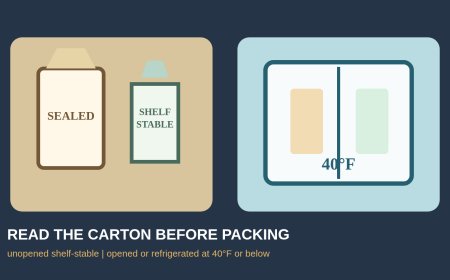
For refrigerated cookie, pastry or biscuit dough, follow the package’s storage direction. FDA says to refrigerate those products as directed and to use a refrigerator thermometer to verify 40°F.[2] Count warm time during shopping, driving and campsite setup as part of the food’s handling history; a shaded seat is not measured refrigeration.
Discard a mix involved in a recall rather than trying to cook around it. Also discard dough whose required refrigeration history is unknown or whose packaging has leaked, opened or become contaminated. Cooking is the planned control for properly handled raw flour—not a repair for every storage or contamination failure.
The five-card RV flour check
Before breakfast or dessert, read these cards in order:
- LABEL: Is this intended to be cooked, and can our appliance follow the directions?
- ZONE: Are ready-to-eat food and clean plates outside the powder path?
- NO TASTE: Has everyone agreed the bowl and spoon stay raw until cleanup?
- COOK: Did the full package or recipe method finish?
- RESET: Were hands, tools and contacted surfaces washed before serving?
This is a small control for a small kitchen. The aim is not to fear flour; it is to stop treating an uncooked ingredient as harmless simply because it is dry.
Evidence note: CDC and FDA provide the raw-flour hazard, no-taste rule, label-directed cooking, separation and cleanup guidance. The contained tray, three-state handoff and five-card check are original RVCamping.info workflow tools. Product labels, appliance instructions, fire rules and recall notices remain controlling for the exact meal.
Sources
What's Your Reaction?