









No sink at the campsite? Build a handwashing lane before cooking
A one-way, no-sink handwashing setup for RV campsites that separates clean water, soap, runoff, drying and dishwashing.

No sink at the campsite? Build a handwashing lane before cooking
Category: Cooking
A jug on a picnic table is not automatically a handwashing station. Someone still has to touch its cap, find the soap, catch the runoff and dry clean hands without reaching back across raw food or dirty dishes. At an RV campsite, the useful design is a one-way lane: clean water in, hands through, wastewater contained, and the cook returning to the clean side.
The short answer: Put a potable-water jug with a hands-free or easy-control spigot at the edge of the food area. Place soap first, paper towels last and a catch basin directly below. Keep this station separate from the dish tub. Use soap under a clean running stream, scrubbing for 20 seconds at food-safety transition points. Treat sanitizer with at least 60% alcohol as a backup when soap and water are unavailable—not as the answer for visibly dirty or greasy hands, and not as a substitute when norovirus is the concern.[1][2][4]

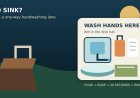
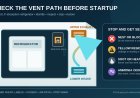
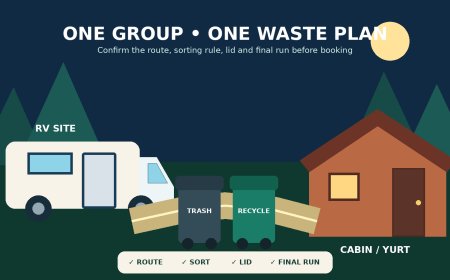
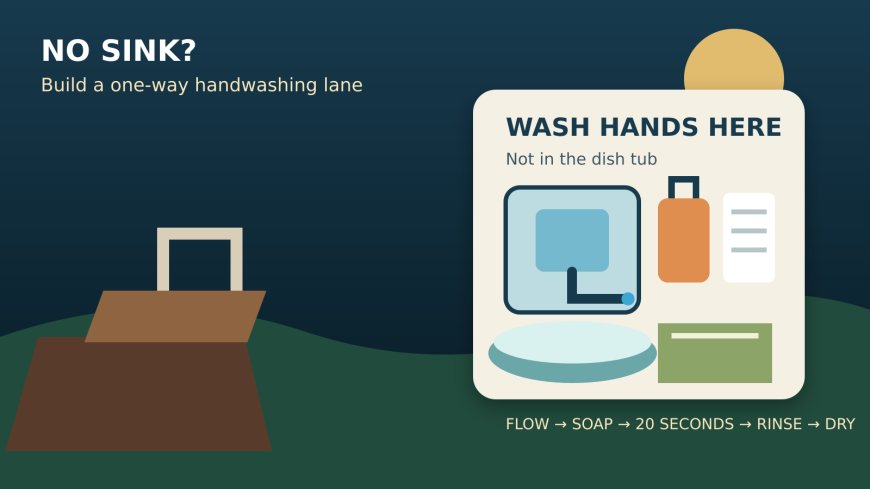
Give handwashing its own clean-water lane and catch basin; keep the dish tub separate. Original RVCamping.info illustration.
Start with the water source, not the basin
USDA warns that apparent clarity does not make stream or lake water suitable for drinking, cooking or cleanup. It recommends bringing bottled or tap water and checking whether the campsite has clean water.[3] For this workflow, fill the handwashing jug from a verified potable source before cooking begins. Label it HANDWASH ONLY so it is not emptied into the dish tub, used to rinse muddy gear or mistaken for the drinking dispenser.
Choose a jug that can deliver a controlled stream rather than requiring the user to unscrew a cap with dirty hands. Set it on a stable table edge or stand where the spout projects over a catch basin. Test the stand with a full jug: water is heavy, picnic tables tilt, and a station that topples during raw-chicken prep has failed at the moment it matters.
Do not let the spigot hang inside the catch basin. Splash from used water should not reach the outlet. If the control must be touched, add a cleanable lever or designate a paper towel for shutting it after the rinse. The federal guidance establishes clean running water, soap and the 20-second scrub; this physical layout is an original campsite method for making those steps practical.[1][3]
Build a one-way five-part station
Arrange the components in the order a cook should use them:
- Clean-water jug: filled from a potable source, secured against tipping and reserved for handwashing.
- Soap: liquid soap in a pump or a protected bar. Place it where it can be reached after wetting hands without leaning over food.
- Scrub space: clear air over the basin, with enough room to rub palms, backs of hands, between fingers and around nails.
- Rinse and catch: the stream lands inside a dedicated basin that can be carried without sloshing.
- Single-use drying: paper towels in a covered holder, with a lined trash bag beside them.
FDA’s outdoor guidance lists a jug of water plus soap and disposable towels when no plumbed supply is available, and calls for at least 20 seconds of washing before and after food handling and after bathroom use, diaper changes and contact with pets.[1] USDA also describes soap-and-water handwashing for at least 20 seconds as a core camping food-safety control.[3]
Put the station on the approach to the clean prep side, not behind the grill or across a muddy path. A cook carrying a raw-food tray should be able to set it down in the raw zone, wash, dry and then move to the cooked-food side without touching the raw tray again.
Keep handwashing and dishwashing separate
A dish tub contains food residue, grease and whatever came off utensils. It cannot provide clean running water for hands. Conversely, the handwashing catch basin is not a convenient place to soak knives or dump marinade.
Use different colors and labels. For example, a blue basin can sit under the handwashing spout while a gray tub holds dirty cookware several feet away. Store the dish brush with the dish tub and the soap pump with the hand station. If the same bottle of detergent travels between both, dirty hands may repeatedly contaminate its handle.
FDA tells outdoor cooks to keep utensils and platters clean and to wash food-contact equipment with hot, soapy water after preparing each item.[1] That is a separate cleaning job. A handwashing station controls the cook’s hands; it does not certify a cutting board, sanitize a knife or make a raw-meat platter ready for cooked food.
Mark the moments that trigger a wash
Post a short card where the cook can see it. Wash hands:
- before beginning food preparation and before eating;
- after handling raw meat, poultry, seafood, eggs or their packaging;
- after using the toilet or helping a child with toileting or diapers;
- after handling pets, pet bowls, trash or wastewater;
- after coughing, sneezing, blowing a nose or touching the face; and
- whenever hands become visibly dirty or greasy.[1][2][3]
The useful rule is transition, then wash. If the cook checks a phone after touching raw food, the phone has joined the dirty side. Washing only after the phone call leaves the next person exposed to the same surface. Park phones and keys away from prep, or handle them before the wash transition.
Gloves do not remove this workflow. They can tear, and dirty gloves can move contamination just as hands can. Wash before putting them on, change them when moving from raw to ready-to-eat work, and wash again after removal.
Give the wastewater a planned destination
The catch basin needs spare capacity. Stop using the station before water reaches the rim. Cover or carry the basin carefully, and dispose of its contents only where the campground or land manager directs. Do not assume that “biodegradable” soap creates permission to pour wastewater onto the ground, near a water source or at the campsite edge.
Bring a lid or second empty container if the approved drain or dump point is far away. The route matters: carrying an open pan through the cooking area can splash the very surfaces the station protects. Keep the wastewater vessel below food and clean supplies during transport.
At the end of the meal, clean and dry the spigot, stand and catch basin before packing them. Store the potable-water outlet capped and away from the wastewater basin. The next setup should begin with a clean station, not with damp equipment nested together.
Know what sanitizer can and cannot do
CDC sets 60% alcohol as the minimum for a sanitizer used when washing facilities are not readily available. It also warns against using sanitizer on visibly dirty or greasy hands when a handwashing station is available.[2] Camp cooking commonly produces both: soot, soil, fish residue, grease and raw-food juices.
Norovirus sets a sharper boundary. CDC’s outdoor guidance says sanitizer performs poorly against norovirus, so washing remains necessary.[4] If someone in the group has vomiting or diarrhea, keep that person out of food preparation and follow public-health cleaning and illness guidance; a pump of sanitizer is not a reset button.
Carry sanitizer in the daypack for situations where no wash station exists, but build the station before food comes out. The backup should remain a backup.
Run a 60-second pre-meal test
Before opening raw ingredients, have one person complete a full wash while another watches the station:
- Does clean water flow without two dirty-hand touches?
- Does all runoff land in the basin?
- Can the user scrub for 20 seconds without touching the table, jug or food?
- Are paper towels dry and reachable?
- Is there a place for the used towel?
- Is the dish tub visibly separate?
- Is the approved wastewater destination known?
Fix the failure now. Move the food later. A campsite handwashing station is not judged by how compactly it packs; it is judged by whether the cook can move from dirty work to clean work without crossing back.
Evidence note: FDA, USDA FSIS and CDC provide the handwashing, water-source, sanitizer and norovirus boundaries. The one-way five-part station, color separation and pre-meal test are original RVCamping.info workflow tools. Follow campground rules for wastewater disposal and any local public-health direction.
Sources
What's Your Reaction?