





Before booking a heated cabin, yurt, or furnished tent: the group's question list
A booking checklist for RV-and-rental groups to verify heater type, written rules, alarms, fuel, family fit, outage policy, and alternate sleeping arrangements.

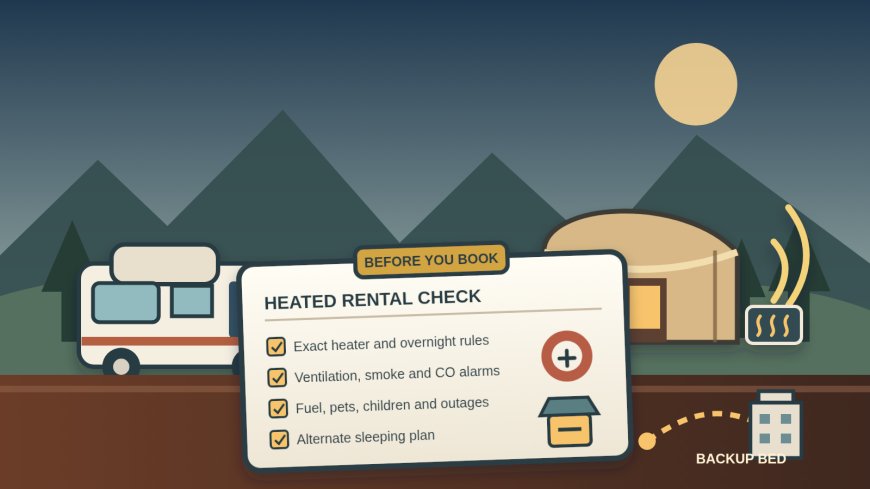
Before booking a heated cabin, yurt, or furnished tent: the group's question list
Glamping

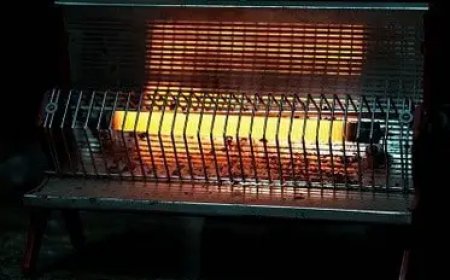
A listing that says "heated" answers only one question. It does not tell you whether the heat comes from a wall unit, portable electric heater, propane appliance, wood stove, or heated mattress pad. It does not tell you whether the heater may run overnight, who supplies fuel, or what happens when campground power goes out.
Those details matter even more when one part of your group sleeps in RVs and another part books a cabin, yurt, or furnished tent. The RV crew may have onboard heat and familiar controls. Rental guests are using equipment and rules chosen by the operator. Before anyone pays a deposit, get the rental side of the plan in writing.
Official listings show how much the word can hide. Oregon State Parks says its rustic cabins and yurts have electricity, heat, and lights, but its general amenities page does not name the heater model or promise a particular indoor temperature.[1] Hyde Memorial State Park in New Mexico is a different setup: its yurts have propane heaters but no electricity at the sites.[2] Wildhaven Yosemite says its tents have electricity and a space heater; it also describes heated mattress pads and separate propane firepits whose tanks guests rent from the operator.[3]
None of those arrangements is automatically equivalent to another. Ask these questions about the exact unit, not the property in general:
A useful written answer sounds like: "Unit Y12 has a permanently installed electric wall heater; do not bring portable heaters; use only the wall thermostat." "Heat included" is not enough for a cold-weather group decision.
Request the guest manual, heater instructions, rental agreement, and any rule card kept inside the unit. Read them before the cancellation deadline. The rules should say who may light, adjust, refuel, reset, or shut down the equipment; whether it can operate while guests sleep or leave the unit; what clearance must remain around it; and whom to call if it stops.
Do not substitute general internet advice for the operator's instructions. Government guidance sets a useful floor for the questions, but the exact appliance and installation control the procedure. The U.S. Consumer Product Safety Commission says sleepers should not use a portable fuel-fired heater inside a tent, camper, or vehicle.[4] The U.S. Fire Administration tells consumers to keep burnable material at least three feet from heat sources, place a space heater on a solid, flat surface, plug portable electric heaters directly into outlets, and turn them off at bedtime or when leaving the room.[5]
If an operator advertises overnight heat but provides a portable appliance, ask for a written explanation of the approved overnight setup. If the answer conflicts with the supplied appliance's label or manual, do not improvise. Ask for another unit or another property.
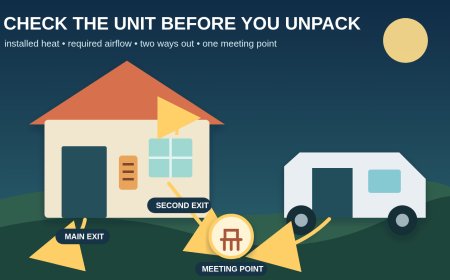
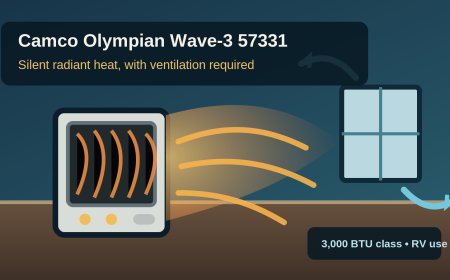
For a fuel-burning system, ask where combustion air enters, where exhaust exits, and which openings must remain unobstructed. Do not plan to close a vent because the room feels drafty. Ask staff to explain the intended configuration and to correct missing or damaged parts.
Ask whether the rental has working smoke and carbon monoxide alarms, where they are, when staff last tested them, and whether they have battery backup. The U.S. Fire Administration says carbon monoxide can result when a fuel-burning heater or other appliance is not working or vented properly. Its guidance calls for CO alarms outside sleeping areas and on every level of a home.[6] A one-room yurt is not a house, so the operator should identify the placement appropriate to that rental and local requirements.
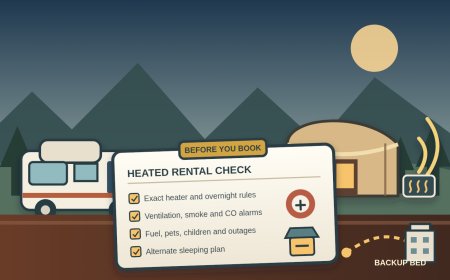
Put these questions in the booking message:
An alarm is not permission to ignore operating rules or blocked vents. Do not remove a battery, cover an alarm, or move an alarm to stop a nuisance sound. Leave the unit and follow the operator's written response procedure.
For propane, kerosene, or wood heat, ask whether fuel is included, how much is supplied, and who may replenish it. Get the price and after-hours process. Confirm whether guests may handle cylinders, add wood, or restart an extinguished appliance. Wildhaven's policy illustrates why the detail belongs in writing: its propane firepit tanks are rented from the property and installed by staff.[3]
For electric heat, ask whether the heater has a dedicated circuit, whether guest appliances share that circuit, and whether the property prohibits extension cords or power strips. Ask what happens during an outage: Does staff relocate guests, issue extra bedding, provide another approved heat source, refund the unused night, or expect guests to leave?
The RV side needs its own check. Will an outage also remove pedestal power? Can the occupied RVs heat safely with their onboard systems, and do campground quiet hours or generator rules change that plan? Do not assume the RV can absorb every rental guest. Count legal seats and sleeping positions before assigning it as backup lodging.
A pet-friendly unit is not necessarily a good match for a heater. Oregon State Parks limits pets to designated cabins and yurts and caps those rentals at two cats or dogs.[1] Wildhaven allows up to two dogs for a fee and says they must not be left unattended.[3] Those policies affect where the animal can go if the rental loses heat or staff needs to move the group.
Ask whether the heater has a fixed guard, exposed hot surface, cord, flame window, or reachable controls. Ask whether a child gate, pet pen, travel crib, or dog bed can be placed while preserving the required clearance and exit path. Do not attach a guard or barrier to the heater without the operator's approval. If the only available floor plan puts a toddler's bed or a large dog's sleeping area beside the appliance, choose another unit.
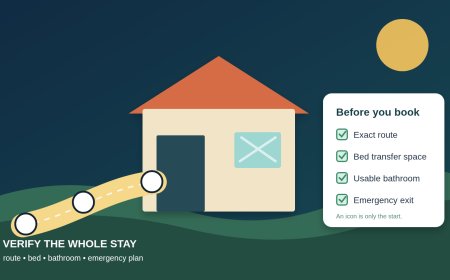
Also verify occupancy. A furnished tent advertised for two adults may not have room for a crib. A yurt with five bed spaces may still have restrictions on total people, pets, or added floor bedding. Send the group's adult, child, infant, and pet count to the operator and ask for written confirmation.
Do not wait for a midnight heater failure to decide where people will sleep. Name a primary fallback and a second choice before the free-cancellation window closes.
The plan might use a nearby hotel, a second heated rental, or verified spare RV berths. Record the distance, late check-in cutoff, cancellation terms, accessible-room needs, pet acceptance, and transportation arrangement. If the RV is the fallback, list exactly who moves there, where each person sleeps, and whether the RV remains within its rated occupancy and campground rules.
Set a group decision point, such as the evening before travel or at check-in. Reconfirm the weather, unit assignment, heater status, fuel supply, alarms, and outage policy. If the operator cannot verify the advertised heat or the rental instructions do not fit the group, use the alternate lodging while it is still practical.
A heated rental should be a documented amenity, not a guess based on one word in a listing. The best booking record ties the exact unit to a named heater, written rules, working alarms, a clear fuel or outage policy, and a sleeping fallback the whole group can actually use.
First, identify what "heated" means
Ask for the operating rules before arrival
Verify ventilation and alarms
Settle fuel and power responsibility
Include children and pets in the decision
Make the alternate sleeping plan part of the reservation
Copy-and-send booking checklist
Sources
What's Your Reaction?