








Deli sandwiches on an RV travel day: pack cold, assemble clean, serve by the clock
A travel-day system for keeping deli meat cold, washing hands before assembly, limiting warm exposure, and deciding which sandwich leftovers must go.

Deli sandwiches on an RV travel day: pack cold, assemble clean, serve by the clock
By Romana | September 26, 2026 | Cooking
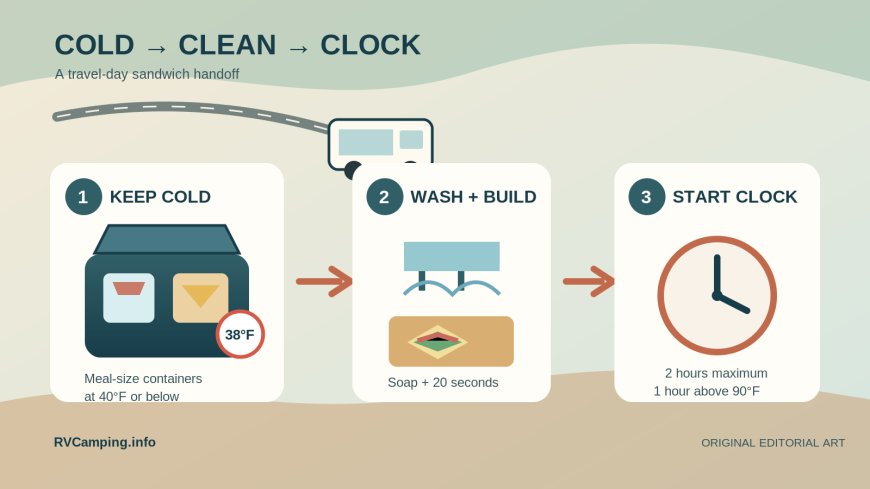
Quick answer: Refrigerate deli meat and other perishable fillings before departure, then transport them at 40°F or below in a closed cooler with ice or frozen gel packs. Keep bread and dry supplies separate. At the meal stop, wash with soap and safe running water for at least 20 seconds, bring out only one meal’s fillings, assemble, and return the untouched reserve to cold storage. A sandwich or filling that sits without cold control gets no more than two hours, cut to one hour when the air is above 90°F.[1][2][3]

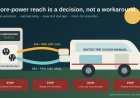
Cold storage, clean assembly, and a visible serving clock are separate jobs. Original illustration by RVCamping.info.
Pack ingredients, not a day’s worth of finished sandwiches
A prebuilt sandwich is convenient until the whole stack warms during fuel stops, passenger changes, and lunch setup. For an RV travel day, keep the deli meat, sliced cheese, and any cut produce in closed meal-size containers. Carry bread, unopened condiment packets, napkins, and clean utensils in a dry tote.
This is an assembly plan rather than a recipe. It protects the unused food from the hands, crumbs, and warm air involved in lunch. It also makes the leftover decision clearer: the container that never left verified cold storage has a different history from the half sandwich that rode on the dashboard.
USDA advises traveling with chilled food in a cooler or with a cold source, and its camping guidance says to refrigerate or freeze food overnight before departure.[1] FDA sets the cold target at 40°F or below and recommends ice or frozen gel packs.[2]
Use shallow containers sized for one stop. Mark each with the product name and the date the deli meat was opened or sliced. FoodSafety.gov lists opened packages and deli-sliced luncheon meat for three to five days in a refrigerator at 40°F or below; unopened packages are listed for two weeks.[4] A cooler does not restart that storage window, and a package date or manufacturer instruction may be more restrictive.
Make departure a cold-chain handoff
Load directly from the refrigerator, not from a counter where the sandwich supplies have been waiting through the rest of departure. Put a thermometer where it reflects the food compartment rather than touching a frozen pack. Surround the perishable containers with frozen gel packs or ice, close the lid, and secure the cooler against tipping.
Keep drinks elsewhere when possible. FDA recommends separate beverage and perishable-food coolers because repeated drink retrieval exposes food to warm air.[2] If the RV has only one cooler, create a drink section near the opening and place the lunch containers lower in the cold core. The arrangement is less important than the measured result: the food compartment must remain at 40°F or below.
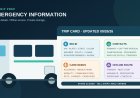
Record three facts on tape attached to the lid:
- COLD AT DEPARTURE: _°F at _
- MEAL STOP OPENED: ____
- SERVICE DISCARD TIME: ____
The card is an RVCamping.info planning tool, not a federal form. It prevents a common travel-day mistake: treating the lunch-stop clock as if it began only when everyone sat down. Warm exposure may have started earlier during loading, a roadside delay, or a cooler failure.
Do the messy work before driving
Wash and dry produce where potable running water and a clean counter are available. FDA says to rinse produce under running tap water before packing; packaged produce labeled ready-to-eat, washed, or triple washed does not need another wash.[2] Slice tomatoes or cucumbers before departure, then refrigerate them in a separate leak-resistant container.
Keep moist produce and condiments away from bread until assembly. That is mainly a quality choice, but separate containers also keep one leak from contaminating the entire lunch supply. Do not reuse a deli-meat wrapper as a work surface.
If raw meat for dinner shares the RV, place it in a different cooler. FDA directs travelers to keep raw meat, poultry, and seafood securely wrapped so their juices cannot reach prepared food or produce.[2] A ready-to-eat sandwich receives no later cooking step to correct cross-contamination.
Wash hands before touching ready-to-eat food
Choose the meal stop with handwashing in mind. FoodSafety.gov calls for plain soap and water, scrubbing the backs of hands, between fingers, and under nails for at least 20 seconds, followed by rinsing and drying with a clean towel.[3] Wash before food preparation and before eating. A quick rinse is not the same process.
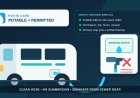
At a stop without a sink, FDA suggests a water jug, soap, and paper towels, or moist disposable towelettes for outdoor hand cleaning.[2] Build that kit before departure. Set the jug so wash water drains away from food, the picnic table, and traffic around the RV. Keep the clean paper towels protected until use.
Anyone who just handled fuel pumps, a dump-station connection, pet waste, trash, or a restroom door should wash before joining sandwich assembly. FoodSafety.gov specifically includes toilet use, animals, garbage, coughing, and sneezing among times that call for handwashing.[3]
Assemble once, then close the cooler
Set out the dry tote first. Put a clean board or tray on a cleaned surface, then stage bread, wrappers, and utensils. Check the cooler thermometer before removing food.
Bring out only the meat, cheese, produce, and refrigerated condiments needed for the people eating now. Close the cooler while sandwiches are assembled. Use a clean fork or tongs for deli slices rather than sending several hands through the same container. Keep the utensil handle out of the food.
For staggered meals, run separate assembly rounds. Do not leave the component containers on the table for late arrivals. Return an untouched reserve container promptly only when it stayed within the cold plan and clean utensils handled it. Labeling one box “reserve” makes that boundary visible.
FDA says cold perishable food should remain at 40°F or below until serving. Once served, it should not sit out longer than two hours, or one hour when the outdoor temperature is above 90°F.[2] Use the hotter condition around the food, including a parked RV or tow vehicle, rather than relying on a shaded forecast.
The oldest warm time controls
The clock is cumulative. If deli meat spent 20 minutes on the galley counter during packing and 25 minutes on the lunch table, it has used 45 minutes of its limit. Returning it to a cooler does not erase earlier warm exposure.
A thermometer reading also has limits. A 38°F reading at noon supports the condition at noon; it cannot prove what happened during an unobserved four-hour gap. When the cold-chain history is missing, do not taste the food to investigate. Discard the questionable portion.
Use this decision split after lunch:
| Item after service | Decision |
|---|---|
| Untouched reserve, continuously held at 40°F or below | Keep cold and use within the product’s remaining refrigerated storage window |
| Filling removed for assembly but promptly returned, with known time and clean handling | Keep only if the cumulative warm time stayed within the federal limit and cold holding is restored |
| Half-eaten sandwich or food handled from a diner’s plate | Discard; do not return it to the reserve container |
| Perishable filling beyond two hours, or beyond one hour above 90°F | Discard[2][3] |
| Food with an unknown time or temperature history | Discard rather than guessing |
The safest way to avoid a disputed leftover is to assemble the requested count, not the hoped-for count. USDA camping guidance starts with planning what the group will eat and what equipment it will need.[1] On a travel day, that means keeping the second meal sealed until there is a real second meal.
Do not let the RV refrigerator become an assumption
If leftovers move from the cooler to the RV refrigerator, verify that the refrigerator is at 40°F or below. FoodSafety.gov recommends an appliance thermometer rather than relying on the control dial.[3] The refrigerator must have room for cold air to circulate, and the food’s prior warm time still counts.
Keep the dated deli-meat label with the container. The three-to-five-day refrigerated window for opened or deli-sliced luncheon meat includes the days before the trip, not just the days after lunch.[4] Freezing before the trip may be useful for a later meal, but follow the product label and thaw under refrigeration rather than on the counter.
Discard any portion touched by dirty hands, a used eating utensil, leaking raw-food packaging, or contaminated cooler water. Cold temperature slows growth; it does not undo contamination.
A five-minute stop plan
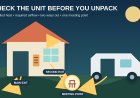
- Park safely and choose a clean surface away from fuel, pets, trash, and sewer equipment.
- Wash hands for at least 20 seconds with soap and safe running water; dry with a clean towel.[2][3]
- Stage bread, wrappers, clean utensils, and the discard-time card before opening the cooler.
- Verify 40°F or below, remove one meal’s containers, and close the lid.[2]
- Assemble the requested sandwiches, mark the service deadline, and return only clean, verified-cold reserves.
- At cleanup, discard plate leftovers and any perishable food whose time, temperature, or handling history failed the test.
A safe sandwich stop is a short handoff: measured cold storage to clean hands, clean hands to immediate service, and immediate service to a visible deadline. The cooler protects the reserve. The clock governs what came out.
Evidence note: USDA, FDA, and FoodSafety.gov support the cold-source, 40°F, handwashing, separation, storage-time, and two-hour/one-hour guidance. The meal-size component system, lid card, reserve-container boundary, and five-minute stop plan are original RVCamping.info planning tools. This article addresses U.S. household food handling, not rules for a permitted food business.
Sources
- Food Safety While Hiking, Camping & Boating | USDA FSIS — Federal guidance on planning, chilling before departure, cold sources, cooler loading, and separation.
- Handling Food Safely While Eating Outdoors | FDA — Federal cooler, hand-cleaning, cross-contamination, 40°F holding, and service-time guidance.
- 4 Steps to Food Safety | FoodSafety.gov — Federal handwashing, appliance-thermometer, chilling, and warm-exposure guidance.
- Cold Food Storage Chart | FoodSafety.gov — Federal refrigerated storage windows for luncheon meat.
What's Your Reaction?