







Plan an RV potable-water refill without guessing at the spigot
Build an RV refill plan around a verified potable source, explicit permission, a clean drinking-water-only hose, and a backup stop instead of assuming any spigot is drinkable.

Plan an RV potable-water refill without guessing at the spigot
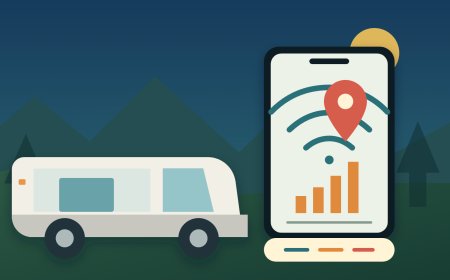
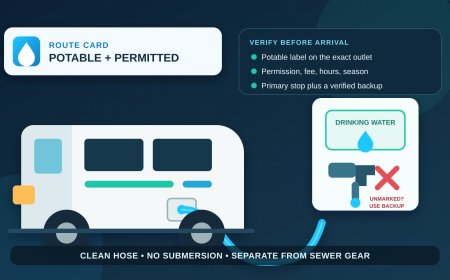
A safe refill plan starts with permission and a named drinking-water source, not with a faucet that happens to fit your hose. Before the travel day, identify a primary fill and a backup. Confirm that the outlet is potable, that RV tank filling is allowed, and that it will be operating when you arrive. At the tap, keep a drinking-water-only hose and its fittings away from the ground, dump equipment, and the tank inlet. If any of those checks fail, do not fill.
That may sound fussy until you notice how many separate questions hide inside “there is water at the campground.” Water can be safe for drinking but unavailable for tank filling. A fill station can be seasonal, restricted to registered campers, limited to certain hours, or paired with a dump station where the nearby rinse hose is not potable. Even a good municipal source can be compromised by dirty gear or a hose end left below the water line in a container.
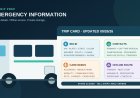
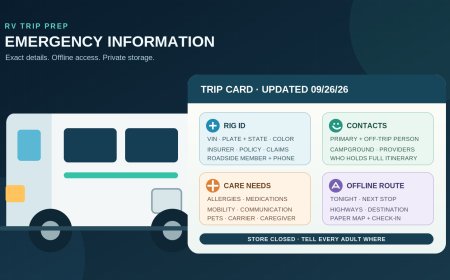
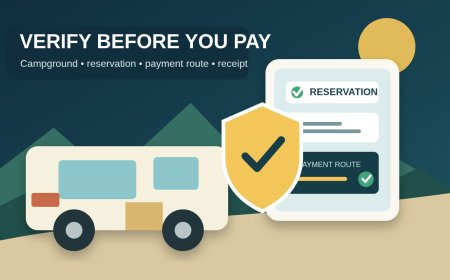
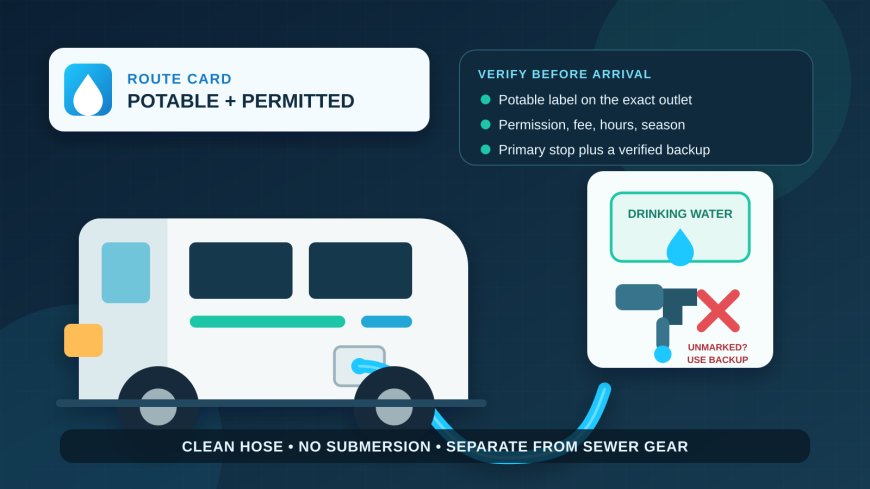
Put four facts on the route card
Record these four items for every planned refill:
- Source: the facility name, street address or campground loop, and the exact outlet described by the operator.
- Status: “potable” or “drinking water” in the operator’s current wording, plus the date and time you checked.
- Permission: who may use it, whether a campground reservation is required, any fee, and the hours or seasonal limits.
- Method: threaded spigot, non-threaded spout, dedicated tank-fill lane, or another arrangement, plus any hose-length or access constraint the operator confirms.
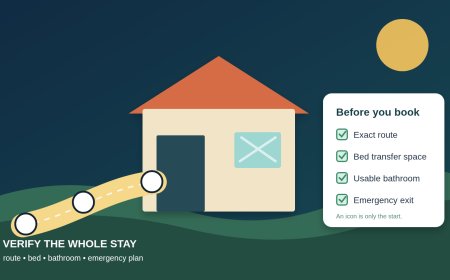
The word “potable” answers the water-quality question. It does not grant access. Oregon State Parks, for example, currently says non-campers may not fill fresh-water tanks at L.L. Stub Stewart State Park and directs them to a paid option in Vernonia.[5] At Lake Roosevelt National Recreation Area, the National Park Service describes a per-use water-fill and dump-station fee and limits the service to visitors recreating at Lake Roosevelt rather than residential use.[4] These are examples of why a pin on a map is only a lead. Rules and service status still need a same-day check.
Call when the public page leaves any gap. Ask a question that can be answered without interpretation: “May I fill an RV fresh-water tank from the designated potable outlet today, and is it available to a non-camper?” Then ask where to enter, where to pay, and whether the tap is threaded. Do not ask only whether the property “has water.”
Build a primary and a backup
Choose the primary stop far enough before camp that a closed gate or out-of-service tap does not leave you dry. Put the backup on the same side of the route if possible. A useful backup is a verified public-water fill, campground station, RV service business, or other operator-approved source. It is not an unmarked park spigot, a building hose bib, a hydrant, or a faucet beside a dump inlet.
A practical confirmation ladder is:
- Read the operator’s current page or posted notice.
- Check whether the page specifies potable water and tank filling.
- Confirm eligibility, fee, access hours, season, and vehicle approach.
- Call the operator on the travel day if any detail is missing or the page may be stale.
- On arrival, follow the posted signs. A phone answer does not override a closed gate, a boil-water advisory, or a “non-potable” label.
Save the phone number with the route card. Also note the time zone. A stop that closes at 5 p.m. local time is not a backup when the driving plan reaches it at 5:20.
Treat “fresh water” as an incomplete label
A listing that says “fresh water,” “water available,” or shows a faucet icon may describe many things: drinking water, utility water, a handwashing sink, a seasonal hookup, or a rinse outlet. The Alabama Department of Public Health’s RV guidance is more direct: ask campground or RV-park management whether the supply is designated for drinking before connecting, and use a safe drinking-water source when filling for dry camping.[3]
Do not infer potability from appearance, taste, pressure, or proximity to a restroom. Do not assume every faucet in a campground shares the same designation. A dedicated potable fill can sit near a separate washdown outlet. Read the sign attached to the outlet you will use. If the label is missing, damaged, or contradictory, stop and ask staff.
A filter does not turn an unknown source into a verified one. Alabama’s guidance notes that many filters sold to improve taste do not remove germs.[3] The safe planning move is to reject an unknown source, not to improvise treatment at the curb.
Keep the potable side separate
Carry one hose used only for drinking-water service. Store it capped in a clean bin, apart from sewer hoses, rinse adapters, gloves, and chemicals. Keep a separate set of fittings for potable use. Labels or color coding help, but physical separation does more.
At the fill:
- Wash or sanitize your hands before touching potable fittings.
- Inspect the outlet and surrounding area. Do not connect if the fitting is visibly contaminated or the designation is unclear.
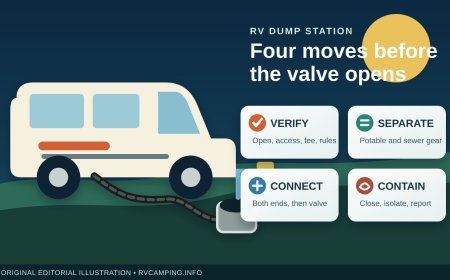
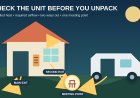
- Keep hose ends and caps off the pavement and away from the dump-station apron.
- Connect only to the designated potable outlet. Follow any posted backflow-device instructions; do not remove or bypass equipment.
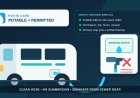
- Keep the hose outlet above the RV fill opening when the system allows. Never leave a hose end submerged in the tank neck, bucket, or any other liquid.
- Finish the fill, shut off the tap, disconnect, drain the hose, cap both ends, and return it to the potable bin.
The no-submersion rule protects more than your own tank. EPA explains that a cross-connection can let nonpotable material reach a potable supply when pressure reverses. A submerged garden hose is one of the agency’s examples; pressure loss can cause backsiphonage.[2] An RV owner should not choose or modify public backflow hardware. The operator or water utility controls that equipment. Your part is simpler: use the designated outlet as provided, avoid creating a submerged connection, and disconnect when finished.
Never attach a Y-adapter that simultaneously feeds the fresh-water system and a black-tank flush connection. Never use the potable hose to rinse dump equipment. If a fitting touches the ground or a questionable surface, set it aside for cleaning rather than reconnecting it to the fresh-water system.
Protect the tank after the source is verified
Safe source water can be recontaminated during transport or storage. CDC defines safe storage as keeping treated water in a container that protects it from recontamination. Its guidance favors a closable container and recommends regular cleaning; it also says not to use containers that previously held toxic chemicals.[1] For an RV, follow the vehicle maker’s procedure for draining, disinfecting, and flushing the tank and plumbing. Alabama’s RV sheet likewise tells owners to follow the RV manufacturer’s instructions for the water heater, storage tank, and system.[3]
Do not invent a universal bleach dose for the RV system. Tank size, plumbing materials, water-heater configuration, and manufacturer procedures vary. Use the manual for the exact RV or component, and keep the required contact time and flushing steps with the maintenance record.
If a fill went wrong, do not hide it behind a new filter. Stop using tank water for drinking and food preparation. Document the source, time, and what may have contacted the hose or tank. Follow the RV manufacturer’s cleaning procedure and contact the local health department or water-system operator for advice when contamination is suspected. If anyone becomes ill, seek medical guidance.
A 60-second arrival check
Before uncapping the hose, verify:
- The sign on this exact outlet says potable or drinking water.
- Staff or the operator’s current notice allows RV tank filling.
- You meet the access rule and have paid any required fee.
- There is no closure, boil-water notice, or seasonal shutoff affecting the outlet.
- The potable hose, fittings, caps, hands, and fill port are clean and separated from sewer gear.
- The hose can reach without lying in wastewater, blocking traffic, or being submerged.
If one answer is no or unknown, move to the backup. A half tank from a verified source is a better plan than a full tank from a mystery spigot.
Sources
- CDC: Safe Water Storage — safe-container selection, cleaning, and protection from recontamination; accessed September 26, 2026.
- U.S. EPA: Potential Contamination Due to Cross-Connections and Backflow and the Associated Health Risks — cross-connections, backsiphonage, backpressure, and submerged-hose examples; accessed September 26, 2026.
- Alabama Department of Public Health: Safe RV Water from Tank to Tap — RV source verification, system care, and filter limits; accessed September 26, 2026.
- National Park Service: Porcupine Bay Campground — posted visitor eligibility and per-use conditions for the potable-water fill and dump station; accessed September 26, 2026. Confirm current operations before travel.
- Oregon State Parks: L.L. Stub Stewart State Park — current restriction on fresh-water tank filling by non-campers; accessed September 26, 2026. Confirm current operations before travel.
What's Your Reaction?