








Does Your Glamping Rental Include Sheets and Towels? Verify Before You Pack
A unit-by-unit checklist for confirming bedding, towels, cleaning charges and checkout chores when an RV group shares a trip with cabin or yurt guests.

A unit-by-unit checklist for confirming bedding, towels, cleaning charges and checkout chores when an RV group shares a trip with cabin or yurt guests.
Does your glamping rental include sheets and towels? Verify before you pack
A bed in a cabin, yurt or safari tent does not tell you what is on that bed. Some park rentals supply only a mattress. Others arrive made up with sheets, blankets and pillows. Towels may follow a third rule, and the phrase “cleaning fee” may mean a nonrefundable charge, a refundable deposit, or nothing at all.
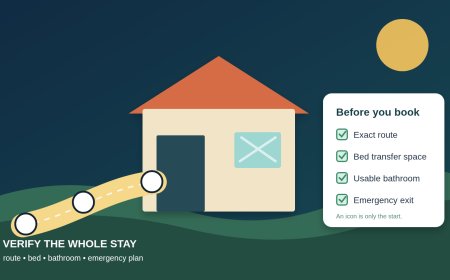
The useful answer is property-specific: open the listing for the exact unit, read the fee screen through checkout, and get any unclear item confirmed in writing. Mixed RV-and-rental groups should do this separately for the rental and the campsite because neither reservation explains the other.
The same agency can offer different linen setups
Washington State Parks tells cabin and yurt guests to bring food, towels, linens and bedding. On the same official page, it says most vacation homes have bedding, towels and sundries.[1] That is a clean example of why “state-park cabin” is not a dependable packing category. The accommodation class matters.
The contrast is just as sharp between states. Georgia says most of its cabins include bed linens, blankets and towels.[2] Kentucky says most accommodations include towels and linens, where applicable, and that guests can request housekeeping or a linen exchange during a stay.[4] Virginia goes the other direction: cabin guests must bring sheets, pillowcases, blankets, bath towels, a bath mat and kitchen towels; the park supplies sanitizable mattress covers and pillows.[5]
Those policies should not be turned into national rules. “Most” allows exceptions. A photo may be older than the policy, staged for marketing, or show a blanket that is not supplied. Virginia specifically warns that older cabin photos may show linens even though linens are no longer provided.[5] Treat the amenity list and current booking terms as evidence; treat the photo as a layout clue.
Ask about each layer of the bed
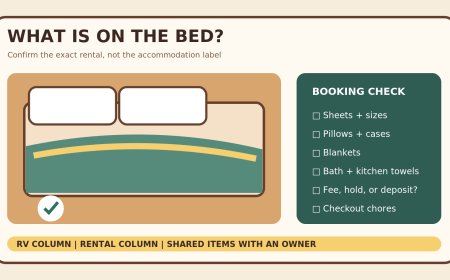
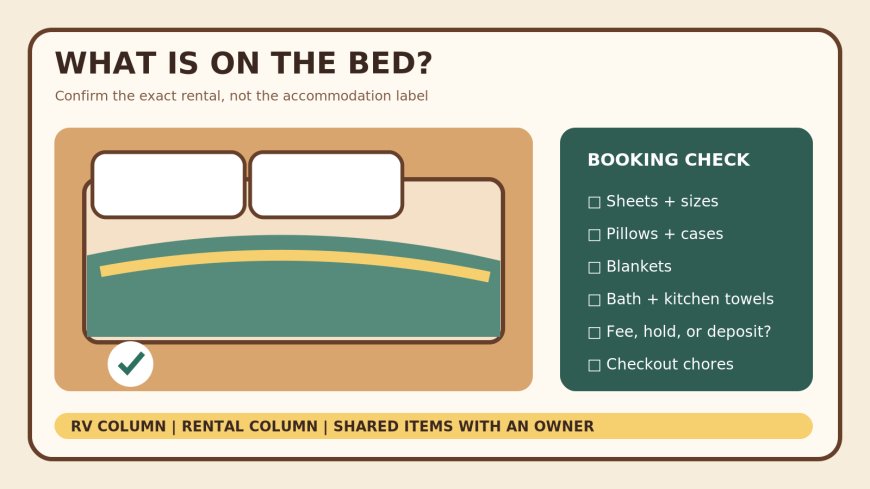
“Bedding included?” is too broad. Break it into the pieces that create a usable sleep setup:
- mattress and protective cover;
- fitted and flat sheets;
- pillows and pillowcases;
- blanket, quilt or comforter;
- extra bedding for a futon, sofa bed, trundle or loft pad;
- the actual bed sizes for every sleeper.
A unit can provide pillows but no cases, or sheets for the primary bed but nothing for a sleeper sofa. Confirm whether the quoted occupancy assumes two people sharing a double bed and whether a loft requires sleeping bags. If someone is flying in while the RV party drives, assign bulky bedding to the RV only after checking that it is dry, clean and accessible without unloading the whole rig.
Towels deserve their own line. Ask about bath towels, hand towels, washcloths, bath mats and kitchen towels. A listing that says “linens” may mean bed linens only. Washington’s policy groups towels, linens and bedding as separate things to bring for cabins and yurts, which is a good warning against assuming one word covers everything.[1]
Read “cleaning fee” as a checkout rule, not a promise
A cleaning charge does not prove that guests can leave dishes, food and trash behind. Georgia advertises no separate cleaning fee for state-park accommodations.[2] At Mother Neff State Park in Texas, the lodge instead has a $100 cleaning deposit that is refunded after a clean checkout inspection, while guests must bring linens, towels and pillows.[3] These are different payment models, and neither alone describes the checkout chores.
Before paying, sort every cleaning-related amount into one of four buckets:
- a nonrefundable cleaning charge included in the total;
- a refundable deposit or card hold tied to an inspection;
- a pet-cleaning charge or pet fee;
- extra charges for damage, excessive cleaning, missing items or late checkout.
Then find the task list. Ask whether the group must wash and put away dishes, strip beds, bag used linens, remove food, take trash to a dumpster, sweep, lock windows, reset heat, or return keys. Save the answer with the reservation. If the policy says “leave it clean” but gives no checklist, ask what the inspection covers and when a deposit is released.
Give the RV and rental two separate supply columns
Mixed groups often make one shared packing list and accidentally erase the boundary between accommodations. The RV has sheets and towels on board, so everyone assumes the cabin is covered. Then the RV leaves for a day trip with the spare blanket, or the cabin group uses the RV’s only dry bath towels.
Use two columns, even if one person booked both spaces.
For the rental, record bed sizes, supplied linens, towels, bathroom location, toiletries, kitchen cloths, cleaning supplies and checkout tasks. For the RV, record which spare items can leave the rig, where wet towels will dry, and whether campground laundry is operating. Add a third “shared” column only for items with an owner and a return plan.
Do the same for money. Put the rental’s cleaning deposit, pet fee and damage hold beside the cabin reservation. Keep campsite vehicle fees, visitor fees and utility charges with the RV reservation. That makes it easier to settle costs without treating every charge as a group expense.
Use a five-message booking check
Send the property a short note that can be answered line by line:
- For unit number or type ___ on dates ___, which sheets, pillows, blankets and towels are supplied?
- What are the mattress sizes, including any sofa bed, futon or loft pad?
- Is the cleaning amount a fee, refundable deposit or card hold, and what can reduce the refund?
- What must guests do before checkout?
- May the nearby RV party deliver supplies or gather at the rental, and where may that vehicle park?
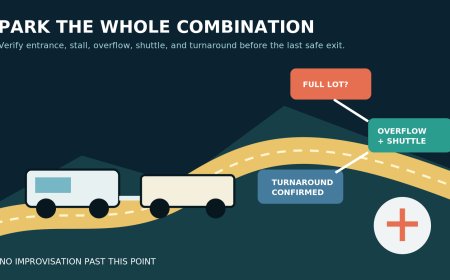
The last question matters because a linens plan can become a visitor and parking problem. A friend carrying bedding from the RV may still count as a visitor. The rental lane may not accept a motorhome or trailer. Ask for the approved loading point and whether the rental has enough room for the group’s vehicles before anyone drives the combination into a tight cabin loop.
Save a small proof packet
Keep the unit page, fee breakdown, confirmation, written clarification and checkout instructions together. Capture the date because amenities and fees change. If the listing says “linens provided,” save the exact unit name and date rather than a general resort page. If staff answer by phone, write down the time, number called and the employee’s name, then ask whether they can email the detail.
Pack against the unresolved answer, not the optimistic one. When the page and a photo disagree, bring the item or confirm again. One fitted sheet, one pillowcase and one towel per person take less room than an emergency shopping run, but there is no reason to haul a full linen closet when the exact rental already supplies it.
The goal is a handoff everyone can see: what the rental supplies, what the RV contributes, who pays the hold, and what the last person out must clean.
Sources
- Cabin, yurt and vacation home stays for fall and winter — Washington State Parks; accessed 2026-10-04.
- Cottages in Georgia State Parks — Georgia State Parks; accessed 2026-10-04.
- Mother Neff State Park Lodging — Texas Parks and Wildlife Department; accessed 2026-10-04.
- Kentucky State Parks FAQs — Kentucky State Parks; accessed 2026-10-04.
- Cabins at Virginia State Parks — Virginia State Parks; accessed 2026-10-04.
What's Your Reaction?